Fresh Air Treatment Unit (FATU): Benefits and Working Principle
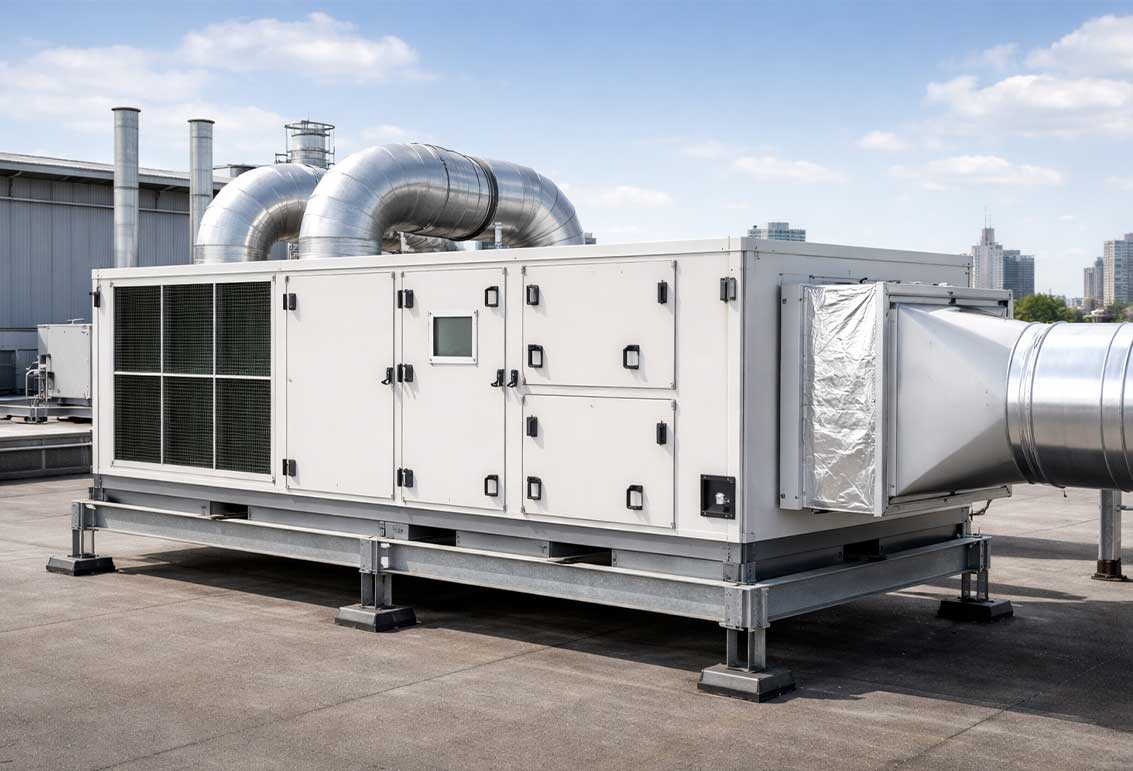
Modern buildings are designed to be energy efficient, but this often results in tightly sealed indoor environments with limited ventilation. While this helps reduce energy consumption, it can also lead to poor indoor air quality if fresh air is not properly introduced and treated.
This is where a Fresh Air Treatment Unit (FATU) becomes an essential part of HVAC systems. A fresh air treatment unit ensures that outdoor air entering the building is filtered, conditioned, and supplied in a comfortable and healthy form. By delivering treated fresh air, FATU systems improve indoor air quality, enhance occupant comfort, and support healthier working environments.
For commercial buildings, hospitals, offices, and industrial facilities, systems like those offered by Airtree provide efficient fresh air management while maintaining optimal temperature and humidity levels.
In this blog, we will explore the working principle of a Fresh Air Treatment Unit, its key components, and the major benefits it provides in modern ventilation systems.
What is a Fresh Air Treatment Unit (FATU)?
A Fresh Air Treatment Unit (FATU) is a specialized HVAC system designed to treat and condition outside air before supplying it to indoor spaces. Unlike conventional air handling units that often recirculate indoor air, FATU's primarily process 100 percent outdoor air.
The purpose of a fresh air treatment unit is to ensure that the incoming air is:
- Filtered to remove dust and pollutants
- Conditioned to the required temperature
- Balanced for humidity control
- Delivered in a clean and comfortable state
The result is treated fresh air that supports better ventilation and improves overall indoor air quality.
In large commercial buildings and industrial facilities, FATUs work alongside other HVAC components to maintain proper ventilation rates and ensure that occupants receive a constant supply of fresh air.
Why Fresh Air Ventilation is Important
Indoor air quality has become a critical factor in modern building design. Studies show that indoor environments can contain higher concentrations of pollutants than outdoor air due to limited ventilation and continuous occupancy.
Common indoor air contaminants include:
- Dust particles
- Carbon dioxide
- Volatile organic compounds (VOCs)
- Microorganisms and bacteria
- Odors from building materials or equipment
Without proper ventilation, these pollutants accumulate and may lead to health problems such as headaches, fatigue, allergies, and respiratory discomfort.
A treated fresh air unit helps solve this problem by introducing filtered outdoor air and maintaining balanced airflow throughout the building.
This is why systems developed by companies like Airtree are increasingly used in offices, hospitals, hotels, and commercial complexes where air quality and comfort are essential.
Working Principle of a Fresh Air Treatment Unit
The working principle of a fresh air treatment unit involves multiple stages of air treatment before the air is supplied to indoor spaces. Each stage ensures that the air meets the required temperature, cleanliness, and humidity conditions.
Let us understand the typical process step by step.
1. Fresh Air Intake
The process begins with the intake of outdoor air through specially designed louvers or air inlets. These inlets are positioned to draw in outside air while preventing the entry of large debris, rainwater, or insects.
The incoming air is directed toward the filtration and conditioning sections of the FATU.
2. Air Filtration
Once the air enters the system, it passes through multiple filtration stages.
Common filters used include:
- Pre-filters to remove large dust particles
- Fine filters to capture smaller contaminants
- High efficiency filters for improved air purity
These filtration stages ensure that the treated fresh air delivered indoors is free from dust and airborne pollutants.
In environments such as hospitals or clean rooms, higher grade filters may also be used for additional protection.
3. Cooling or Heating Process
After filtration, the air enters the cooling or heating section of the fresh air treatment unit.
Depending on the weather conditions and indoor requirements, the air may be:
- Cooled using chilled water coils or refrigerant coils
- Heated using electric heaters or hot water coils
This stage adjusts the air temperature so that the supply air matches the desired indoor comfort level.
4. Dehumidification and Humidity Control
Humidity control is another important function of a treated fresh air unit.
Excess moisture in the air can lead to discomfort, mold growth, and poor indoor air quality. To prevent this, FATUs use cooling coils to remove excess humidity from the incoming air.
In dry climates, humidifiers may also be used to maintain balanced humidity levels.
This process ensures that the air entering the building is comfortable and suitable for occupants.
5. Air Distribution
After conditioning, the treated air is pushed through ducts and delivered to different areas of the building.
High efficiency fans inside the FATU ensure that the air reaches every zone evenly and maintains the required airflow rate.
This continuous supply of treated fresh air improves ventilation and keeps indoor environments healthy and comfortable.
Key Components of a Fresh Air Treatment Unit
A fresh air treatment unit consists of several essential components that work together to condition outdoor air effectively.
Air Filters
Air filters remove dust, pollutants, and airborne particles from the incoming air. Multi stage filtration ensures better air purity and system efficiency.
Cooling and Heating Coils
These coils adjust the temperature of incoming air according to indoor requirements. They play a crucial role in maintaining thermal comfort.
Fans and Blowers
High efficiency fans circulate the treated air through ducts and distribute it evenly throughout the building.
Dampers
Dampers regulate the airflow entering and leaving the FATU. They help maintain balanced ventilation and control fresh air intake.
Control System
Modern FATUs use automated control systems to monitor airflow, temperature, and humidity levels. These systems ensure that the fresh air treatment unit operates efficiently at all times.
Benefits of Using a Fresh Air Treatment Unit
Installing a treated fresh air unit offers several advantages for commercial and industrial buildings.
Improved Indoor Air Quality
By filtering and conditioning outdoor air, FATUs remove pollutants and deliver clean air indoors. This significantly improves indoor air quality and promotes healthier environments.
Better Comfort for Occupants
Proper temperature and humidity control ensures a comfortable indoor atmosphere. Employees and occupants feel more relaxed and productive in well ventilated spaces.
Energy Efficient Ventilation
Modern FATU systems are designed to provide efficient ventilation without excessive energy consumption. Advanced designs optimize airflow and reduce operational costs.
Reduced Health Risks
Continuous supply of fresh air helps dilute indoor pollutants and reduces the risk of airborne diseases, allergies, and respiratory problems.
Compliance with Building Standards
Many building regulations require proper ventilation systems to maintain acceptable indoor air quality. Installing a fresh air treatment unit ensures compliance with these standards.
Applications of Fresh Air Treatment Units
FATUs are widely used across multiple industries and building types.
Common applications include:
- Commercial office buildings
- Hospitals and healthcare facilities
- Hotels and hospitality spaces
- Shopping malls and retail centers
- Industrial manufacturing plants
- Data centers and IT facilities
- Educational institutions
In these environments, treated fresh air units ensure that occupants receive adequate ventilation while maintaining indoor comfort.
Companies like Airtree design advanced ventilation solutions to meet the specific needs of these diverse applications.
Fresh Air Treatment Unit vs Air Handling Unit
Many people confuse FATUs with traditional air handling units. While both systems are part of HVAC infrastructure, they serve different purposes.
An Air Handling Unit (AHU) primarily recirculates indoor air and conditions it before redistributing it within the building.
A Fresh Air Treatment Unit, on the other hand, focuses mainly on processing outdoor air and supplying it indoors.
Because FATUs bring in outside air continuously, they play a more direct role in improving ventilation and indoor air quality.
Choosing the Right Fresh Air Treatment Unit
Selecting the right fresh air treatment unit depends on several factors.
These include:
- Building size and occupancy level
- Required ventilation rate
- Climate conditions
- Energy efficiency requirements
- Air filtration standards
- Noise level considerations
Professional HVAC solution providers such as Airtree help determine the appropriate FATU configuration based on these parameters.
A well designed system ensures optimal airflow, energy efficiency, and long term reliability.
The Future of Fresh Air Treatment Systems
As awareness about indoor air quality continues to grow, FATU technology is evolving rapidly.
- Modern systems now include advanced features such as:
- Smart air quality monitoring sensors
- IoT based remote monitoring
- High efficiency filtration technologies
- Integration with smart building management systems
These innovations are making fresh air treatment units more efficient, intelligent, and adaptable to modern building requirements.
Companies like Airtree are continuously developing solutions that support healthier indoor environments while optimizing energy performance.
Conclusion
Indoor air quality is a critical factor in ensuring comfortable and healthy living and working spaces. With increasing urbanization and sealed building designs, proper ventilation has become more important than ever.
A Fresh Air Treatment Unit (FATU) plays a vital role in modern HVAC systems by delivering treated fresh air into indoor environments. Through filtration, temperature control, and humidity management, FATU's ensure that the air supplied indoors meets high standards of comfort and cleanliness.
From commercial buildings to healthcare facilities and industrial spaces, fresh air treatment units help maintain balanced ventilation, improve occupant well being, and enhance energy efficiency.
With advanced ventilation solutions from Airtree, organizations can create healthier indoor spaces while maintaining reliable and efficient air treatment systems for the future.
Frequently Asked Questions
Q1. What is fatu full form ?
FATU stands for Fresh Air treatment Unit.
Q2.What is the difference between AHU and FATU?
The main difference is that an FATU (Fresh Air treatment Unit) processes 100% fresh outdoor air to maintain air quality and typically is used as a pre-treatment unit for other HVAC systems, whereas an AHU (Air Handling Unit) usually recirculates indoor air mixed with some fresh air to control temperature in a space.
Q3. what is Fatu ?
FATU stands for Fresh Air Treatment Unit, a key HVAC component that brings 100% outdoor air into buildings, filtering, heating, cooling, or dehumidifying it to improve indoor air quality and comfort. Unlike standard AHUs that recirculate indoor air, FATUs provide fresh ventilation for spaces like offices, malls, and hospitals.
Stay ahead with more industry insights
Join our newsletter to receive the latest HVAC technologies and ventilation solutions directly in your inbox.