Article
•
Oct 14, 2026
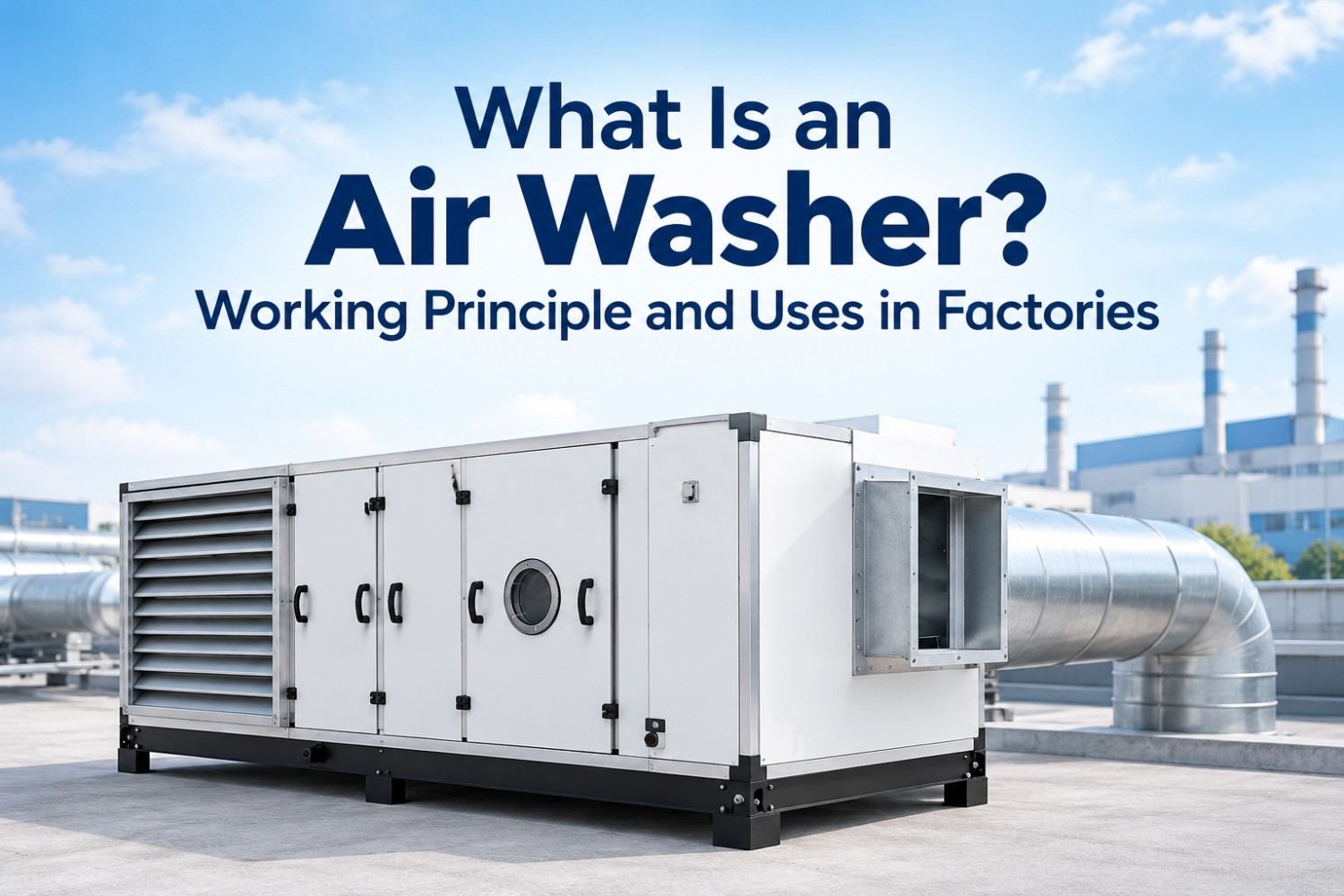
What Is an Air Washer? Working Principle and Uses in Factories
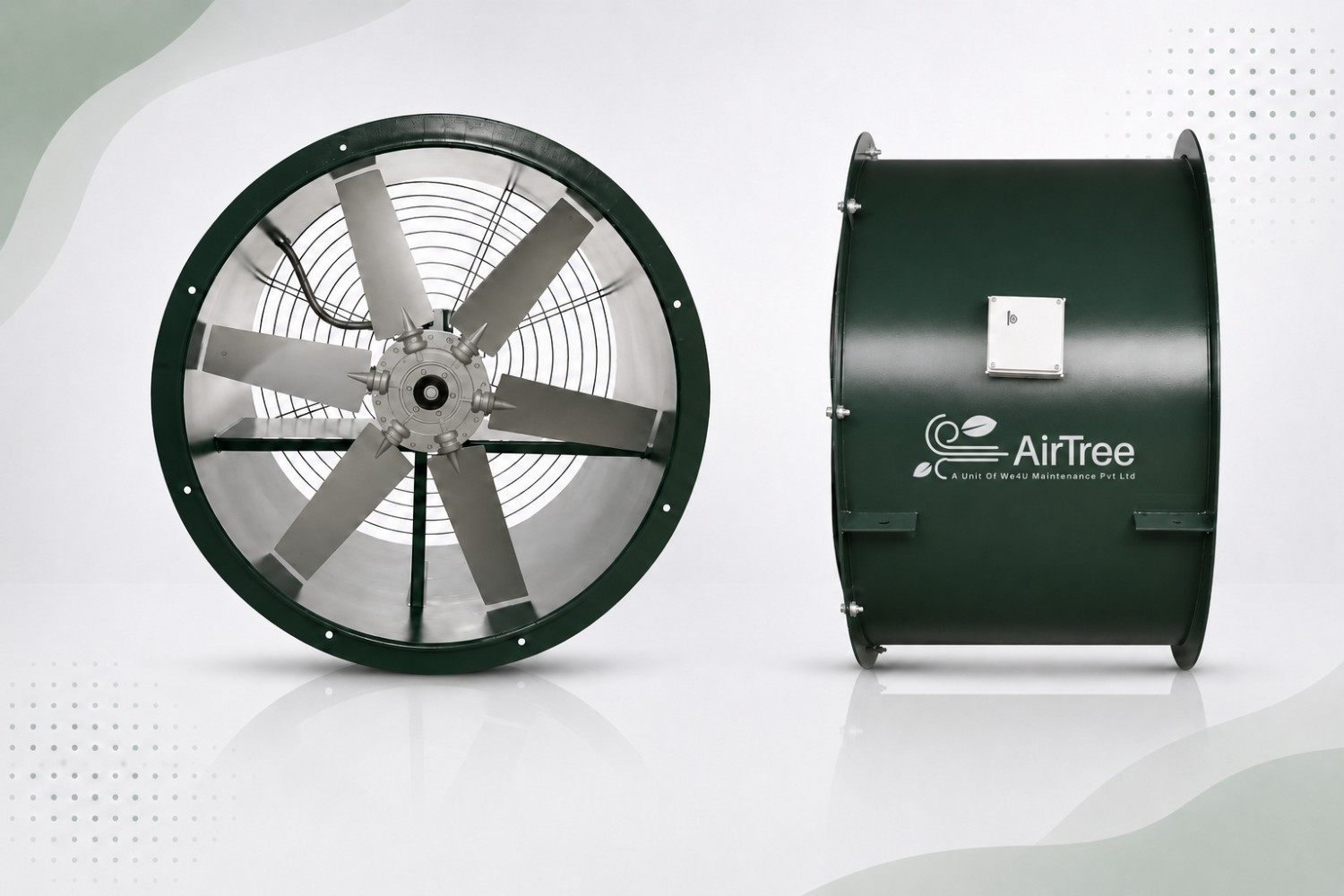
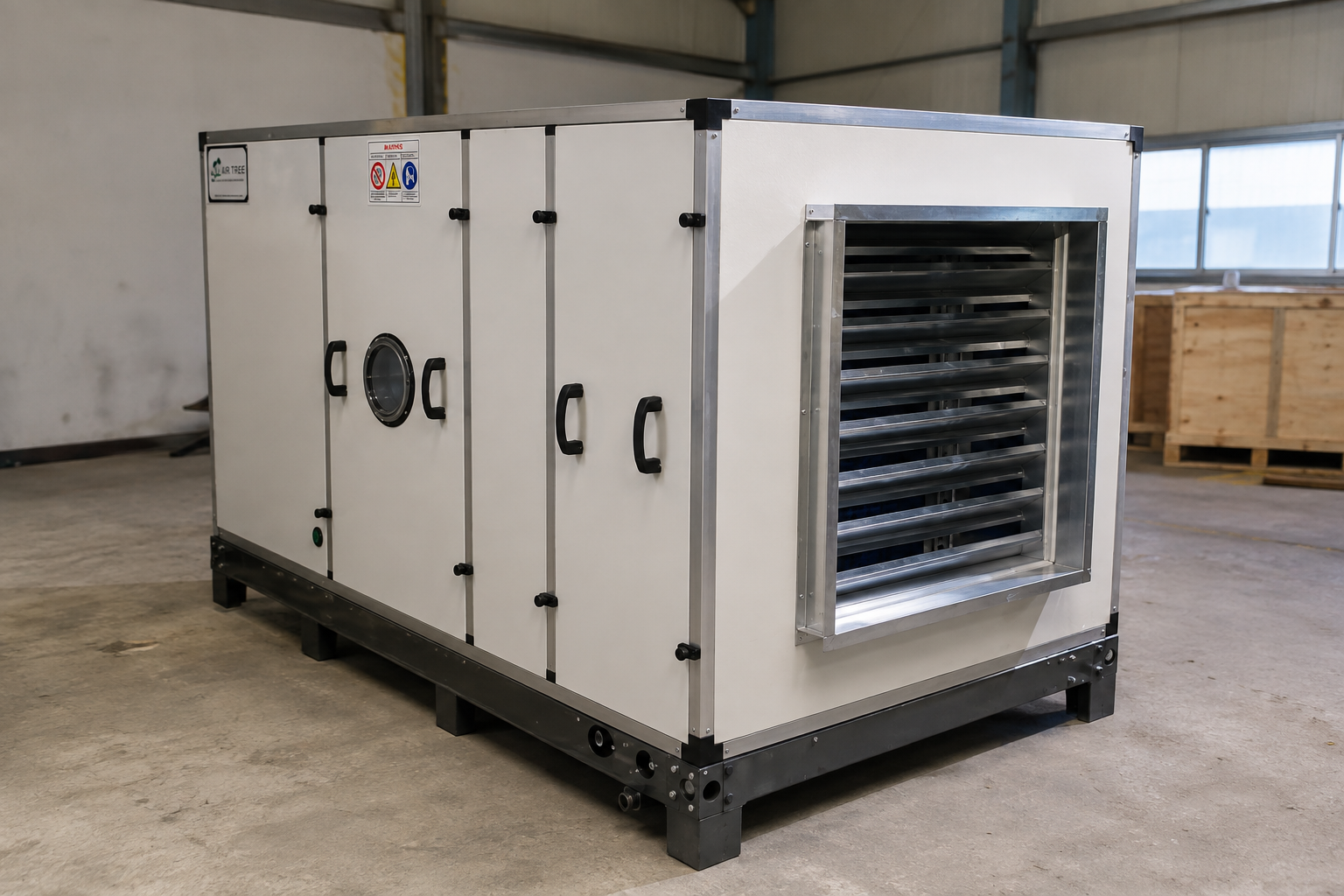
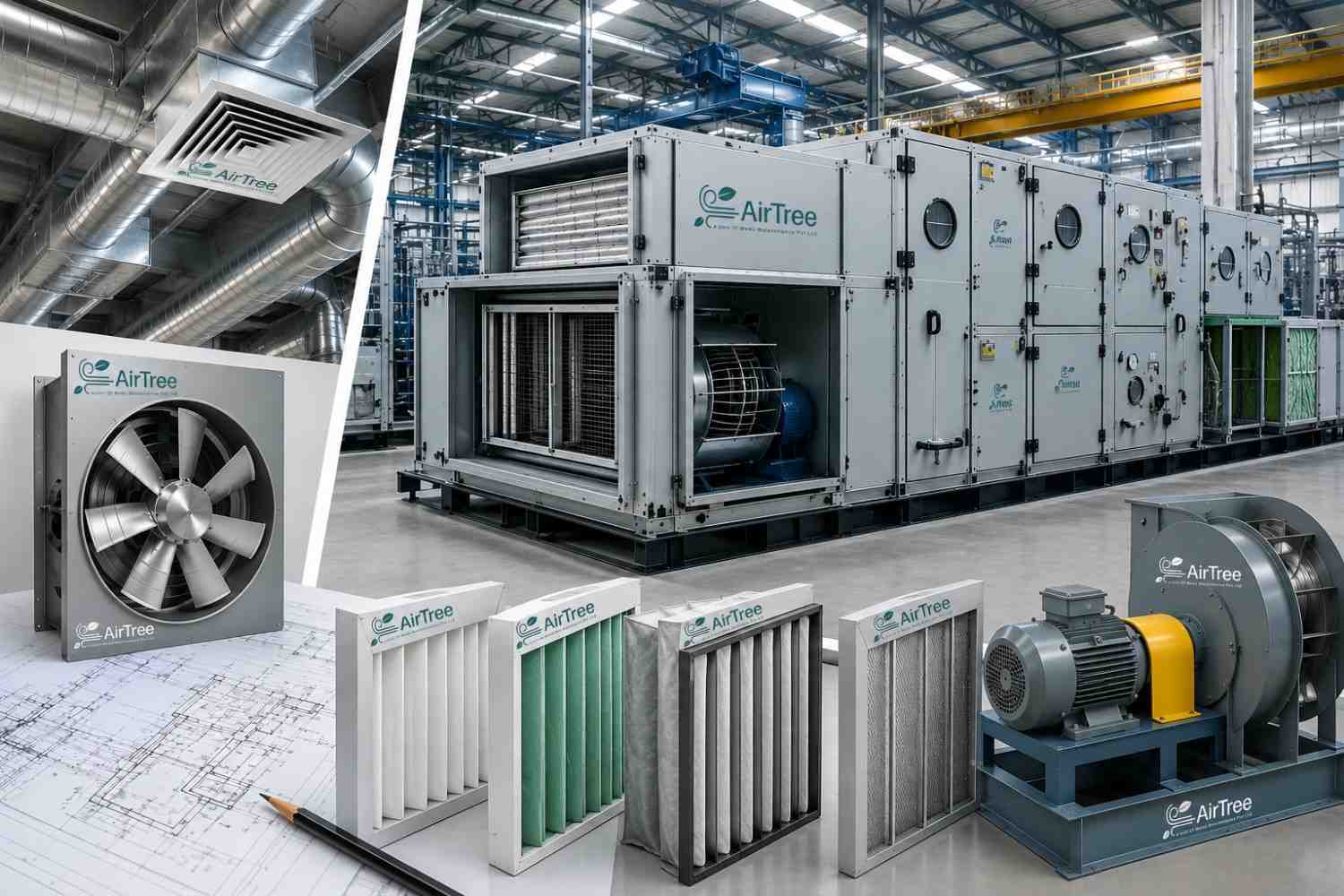
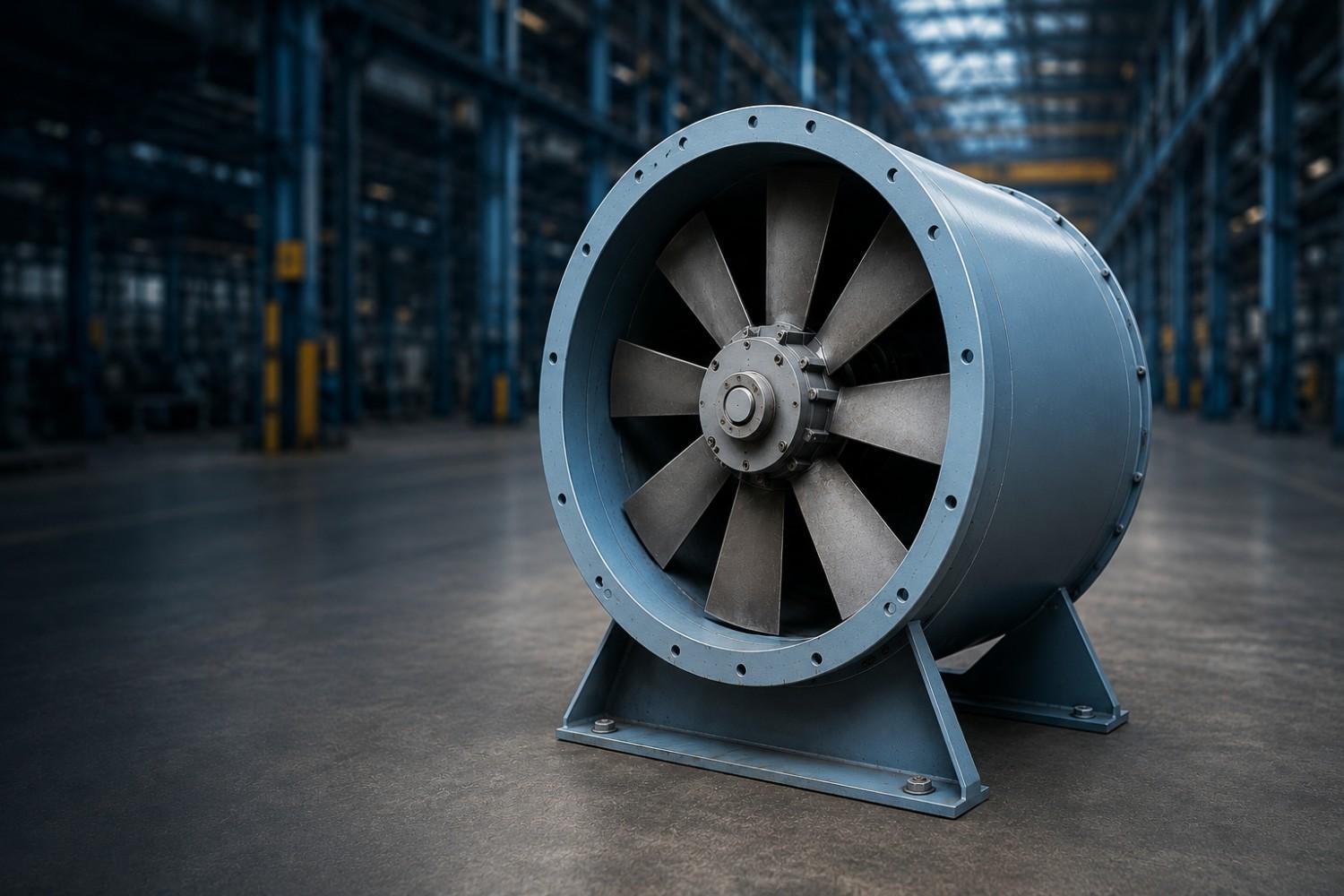
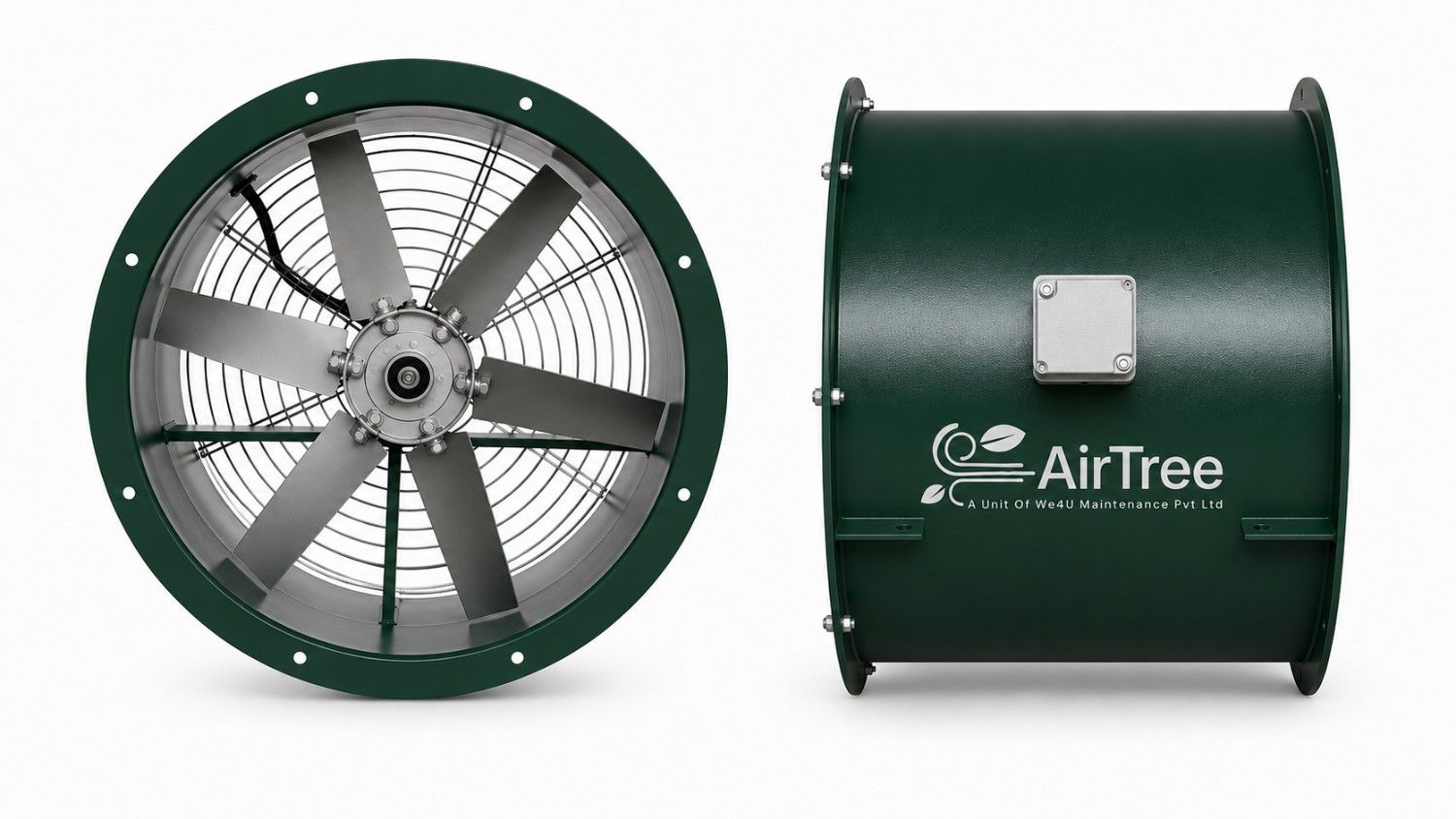
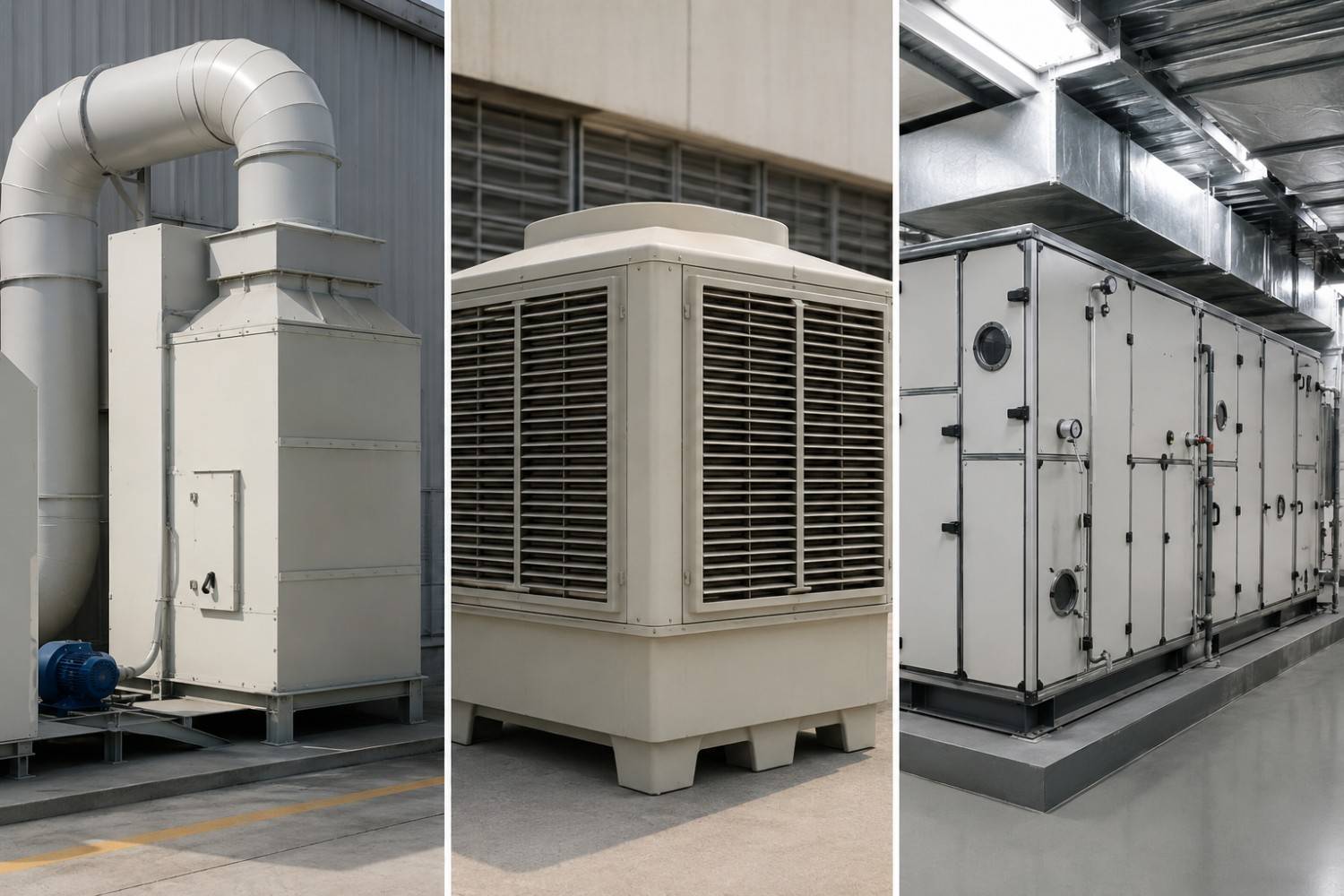
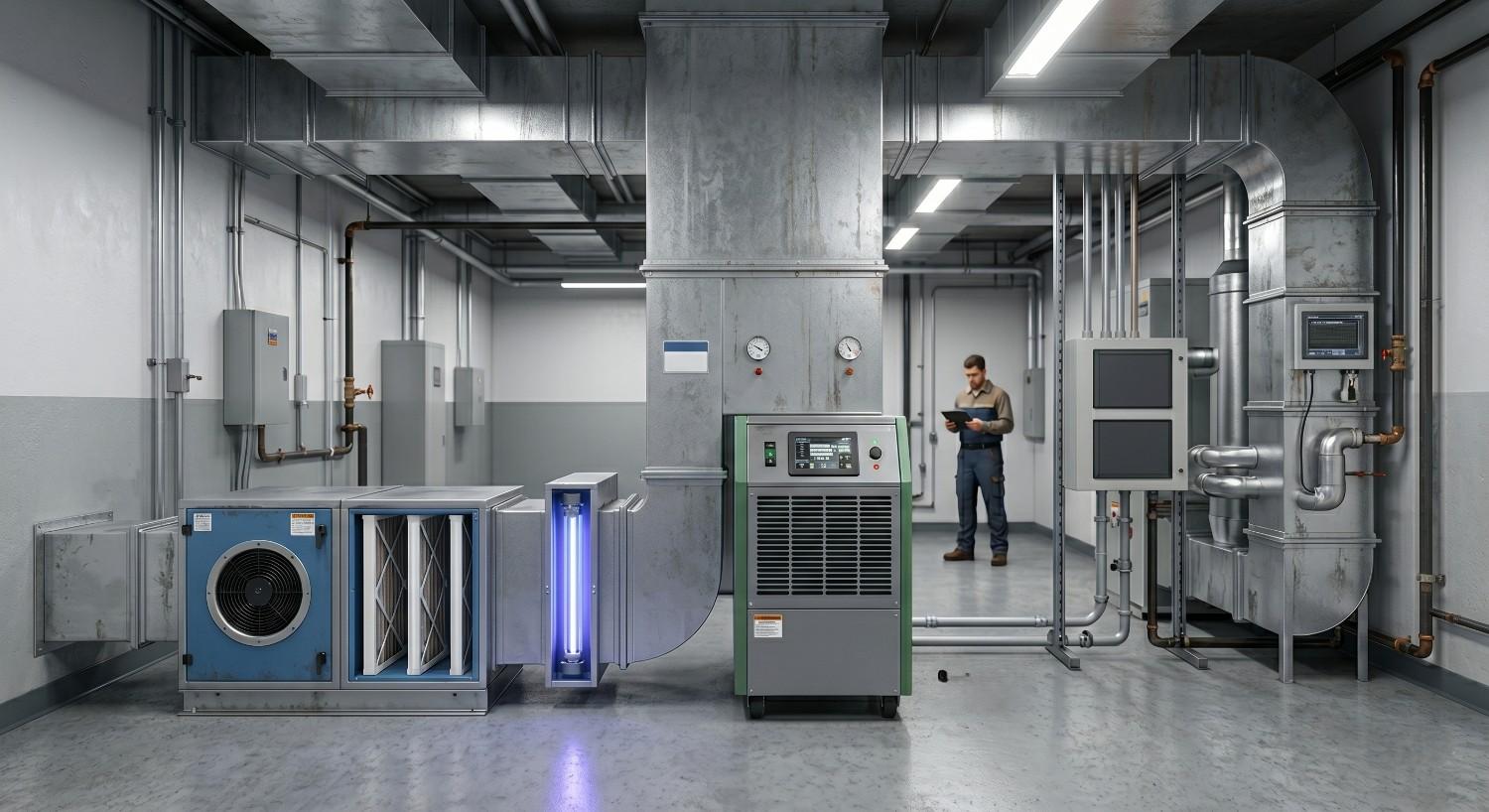
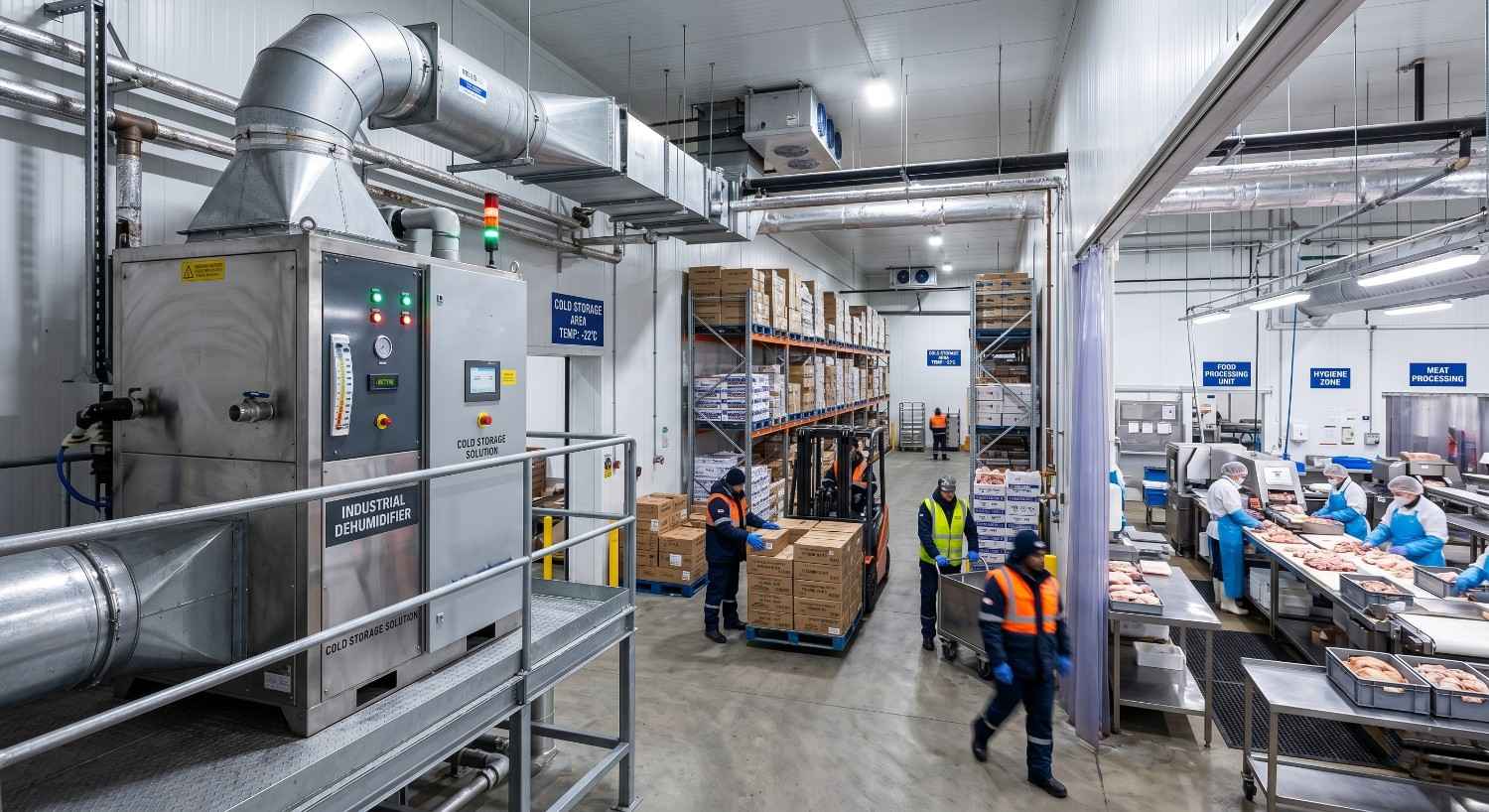
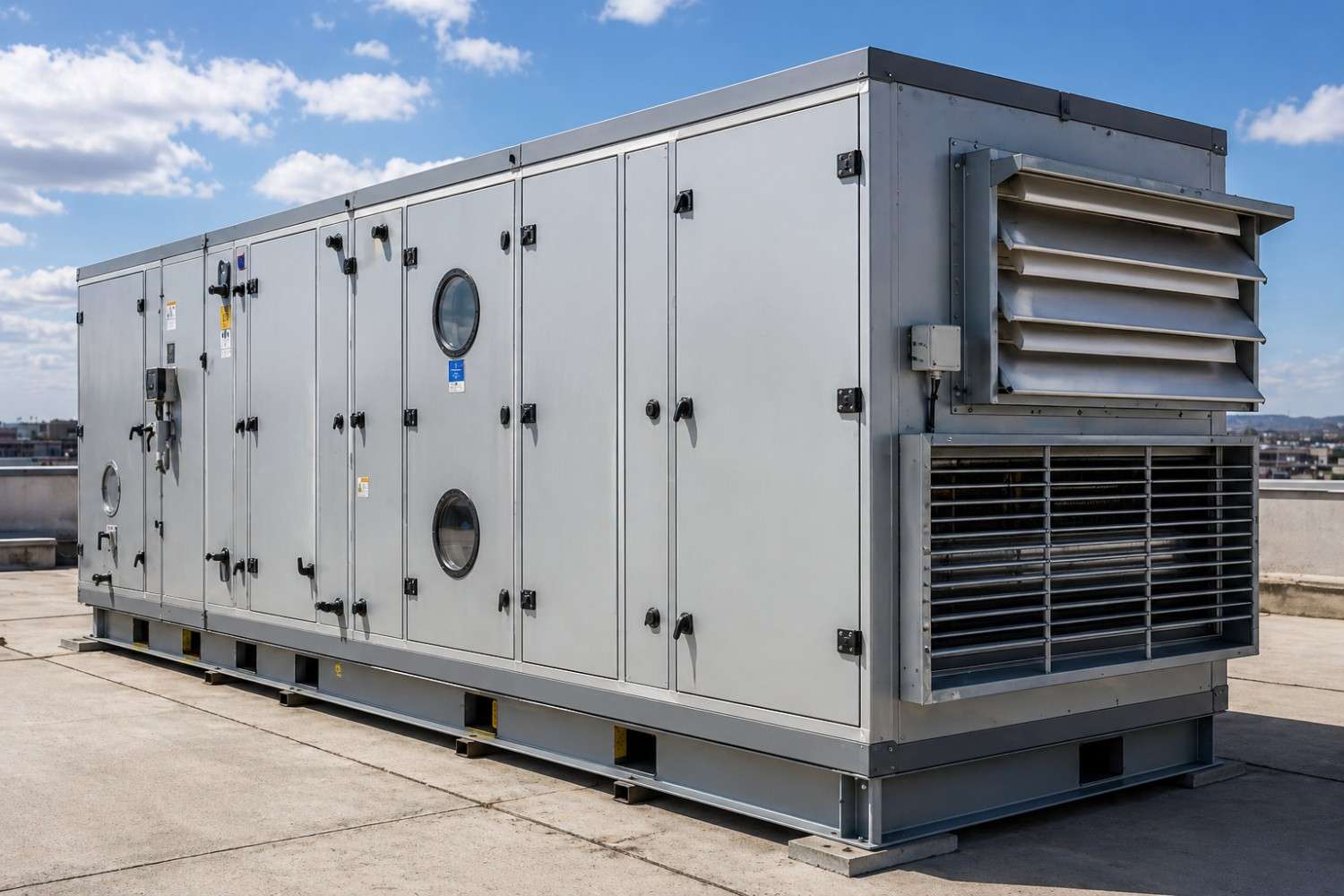
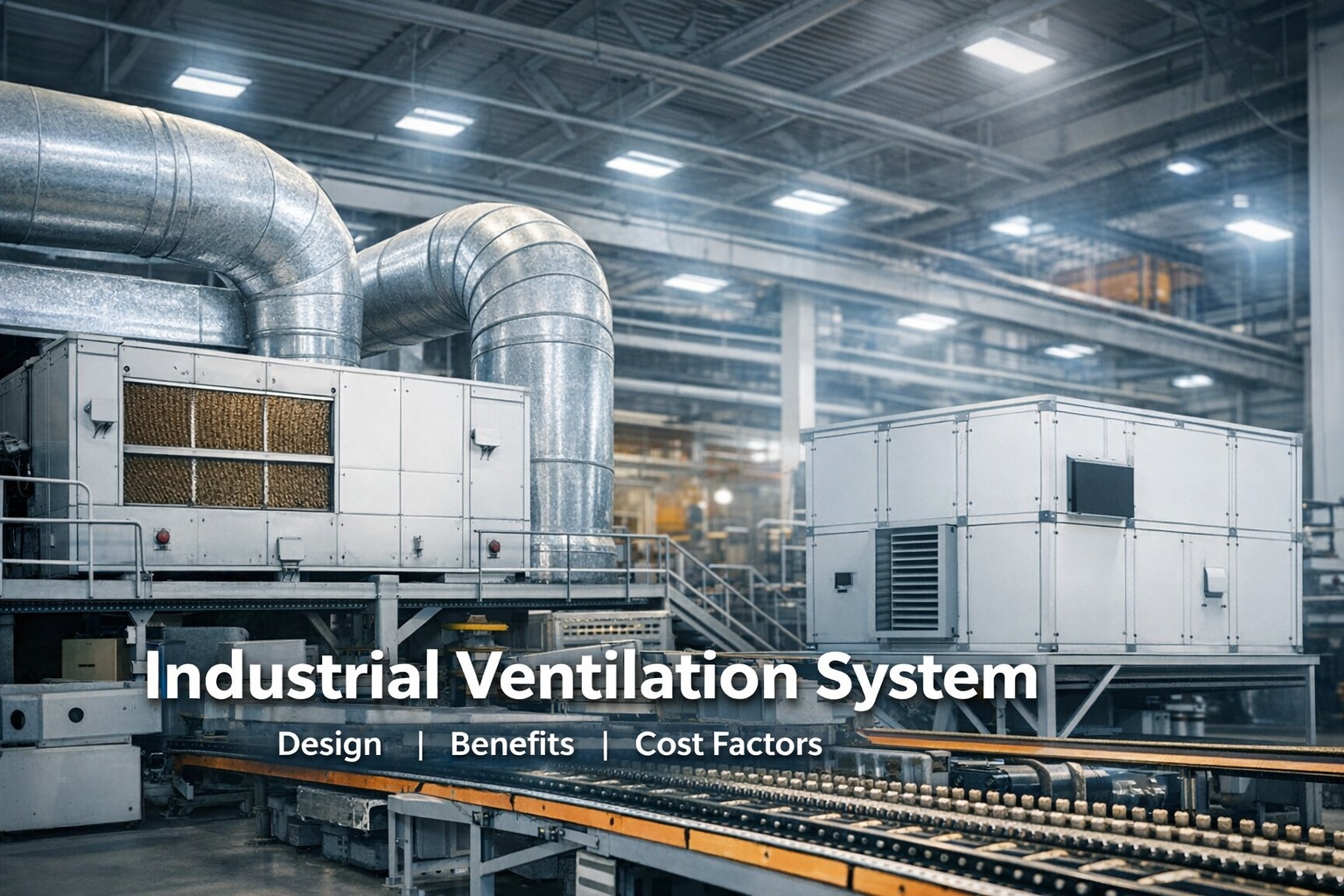
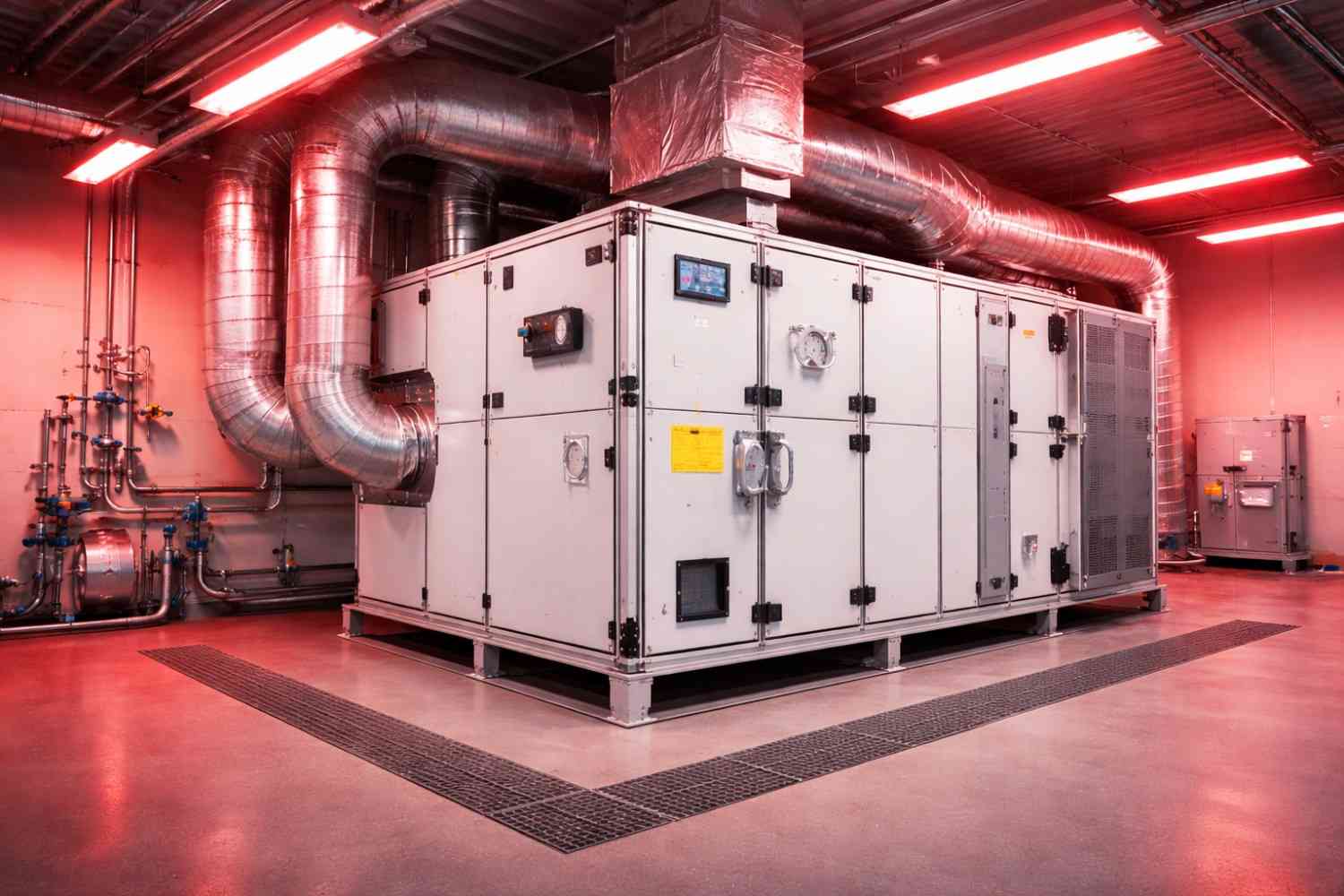
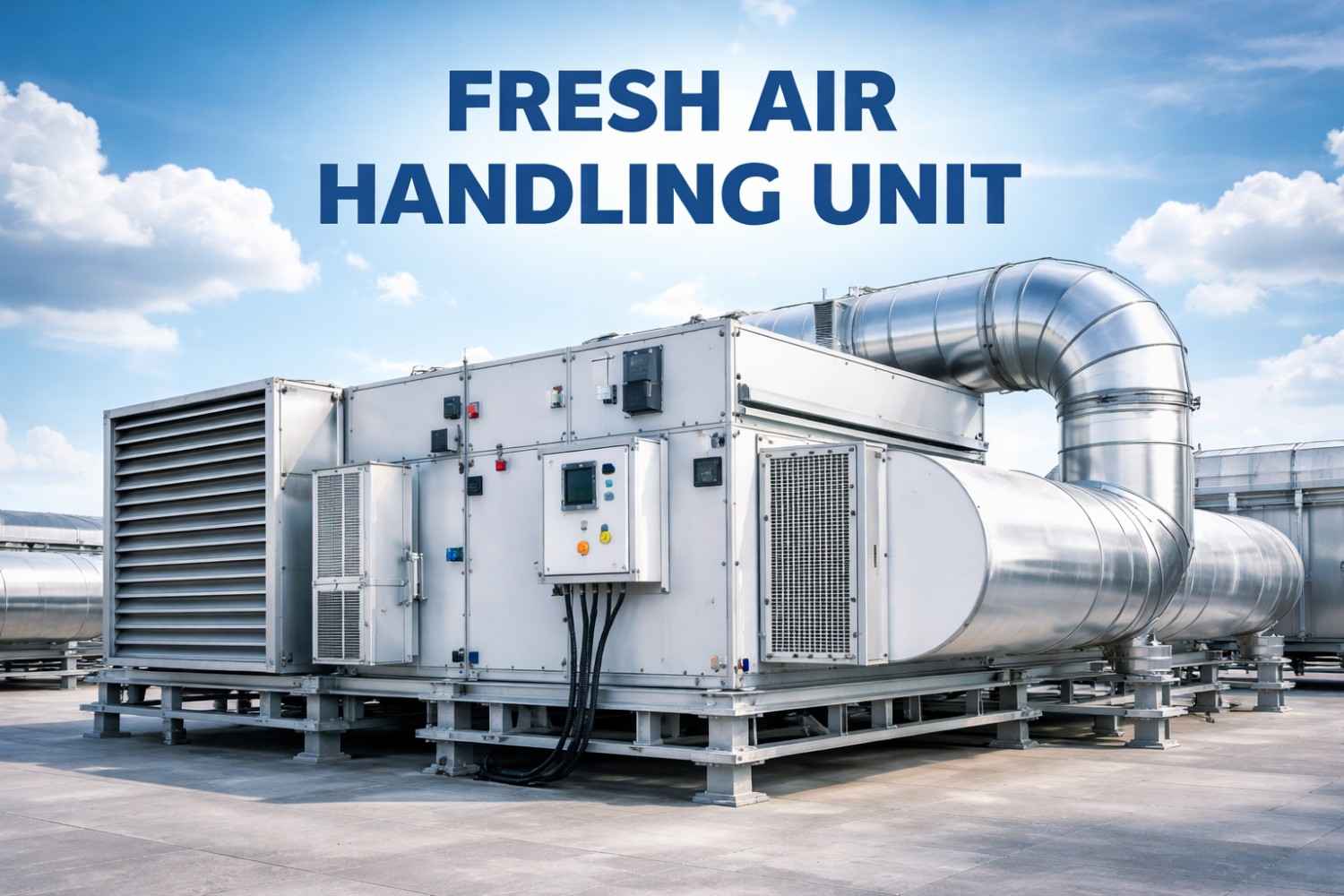
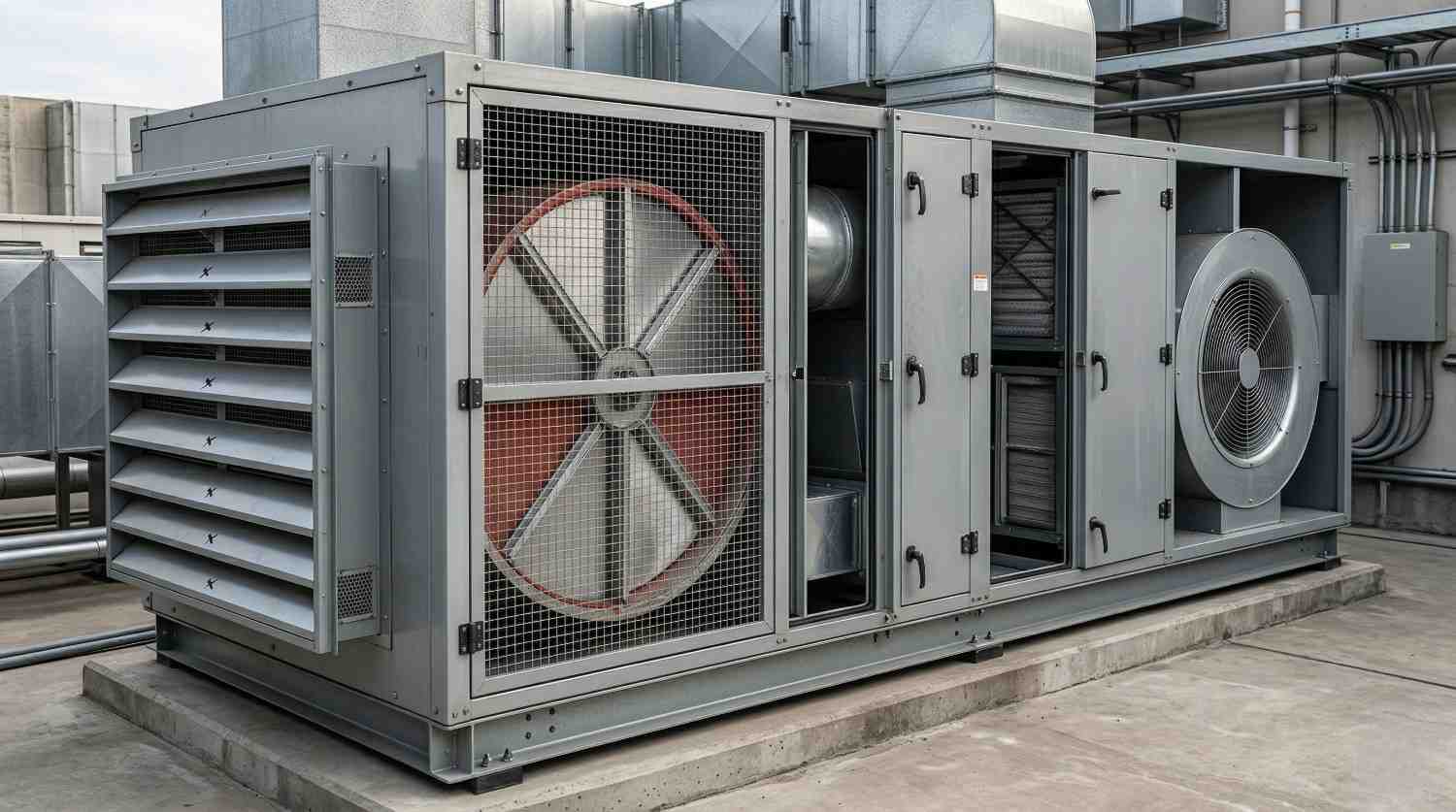
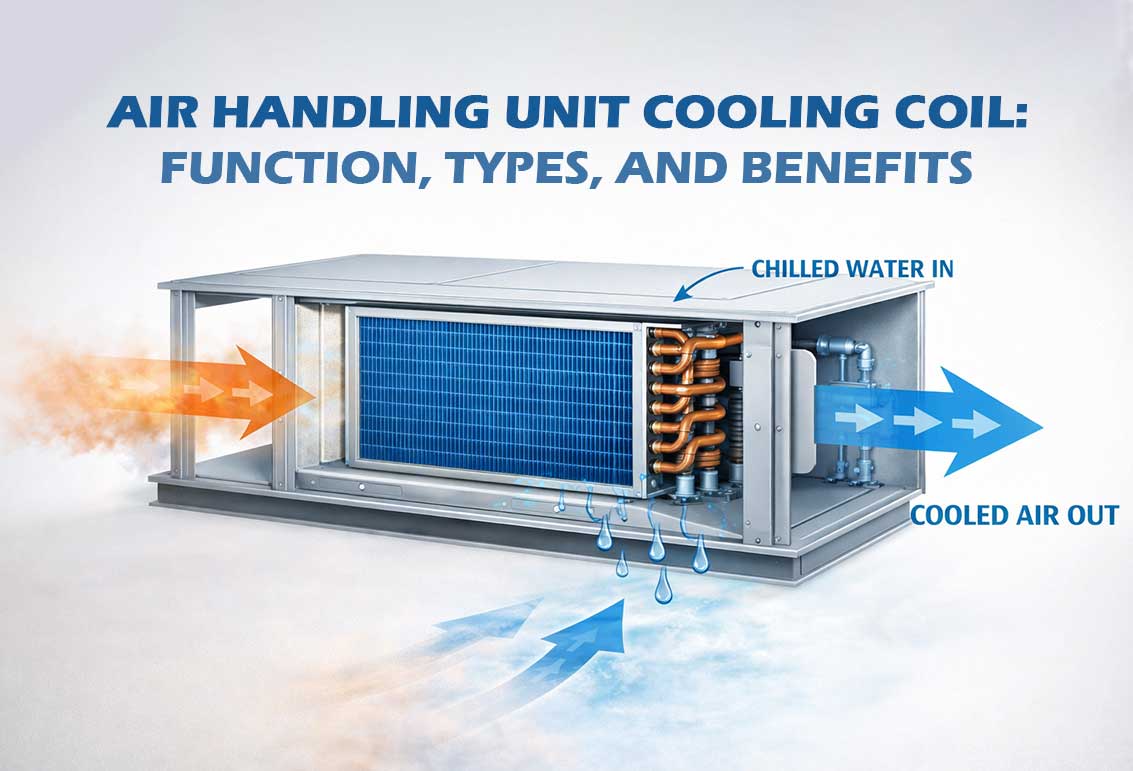
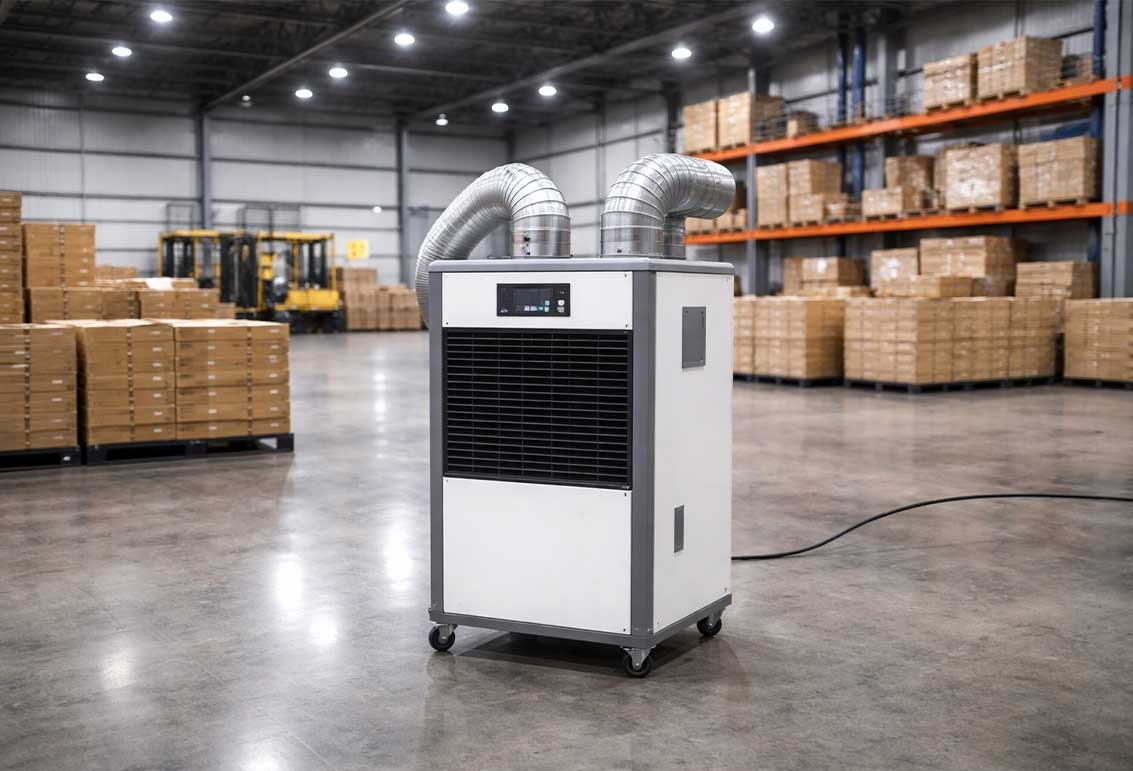
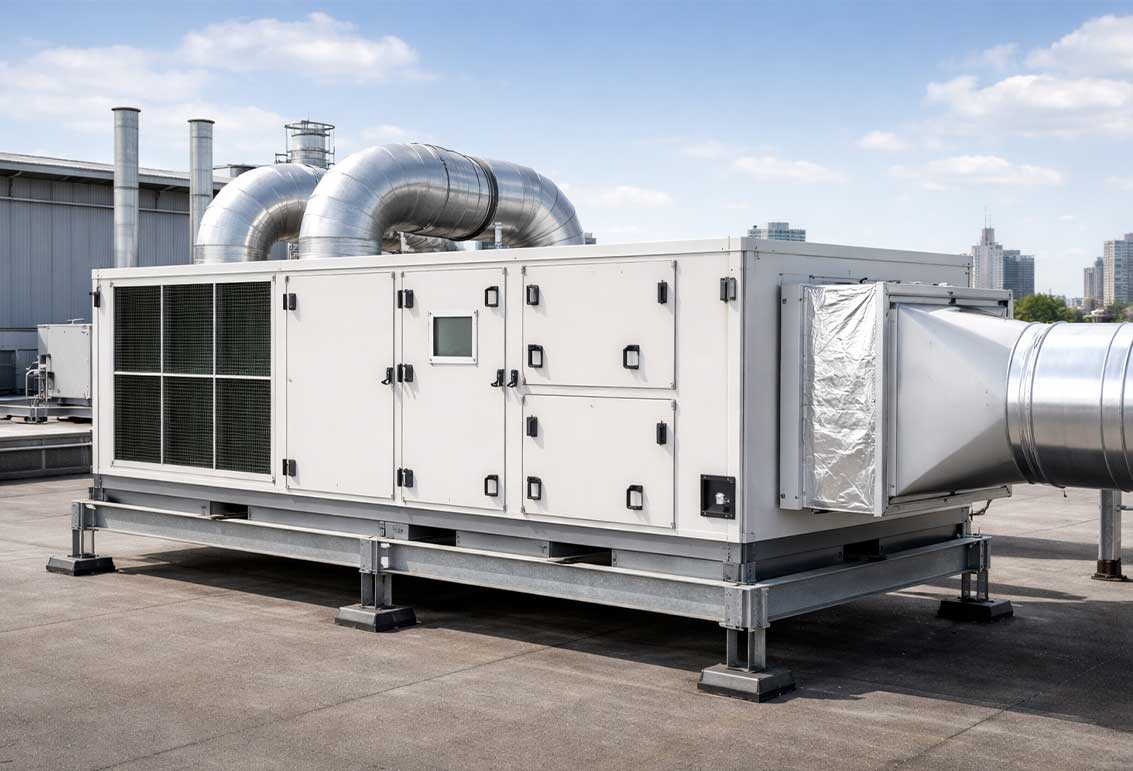
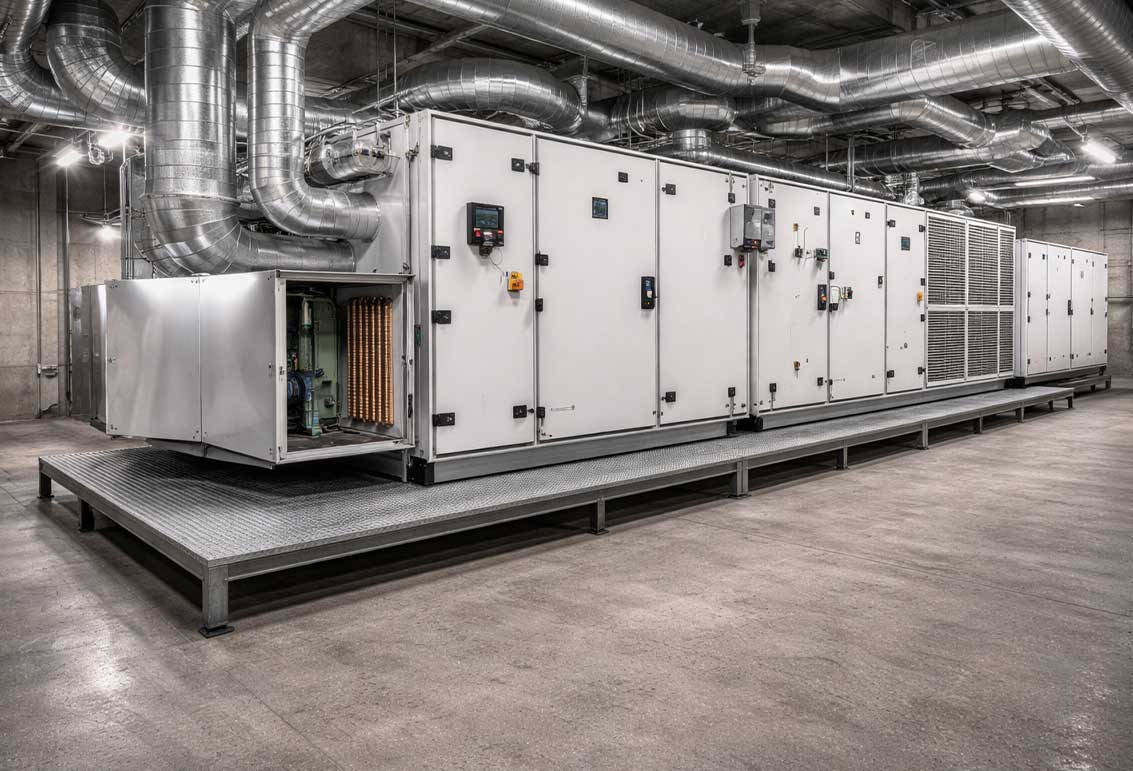
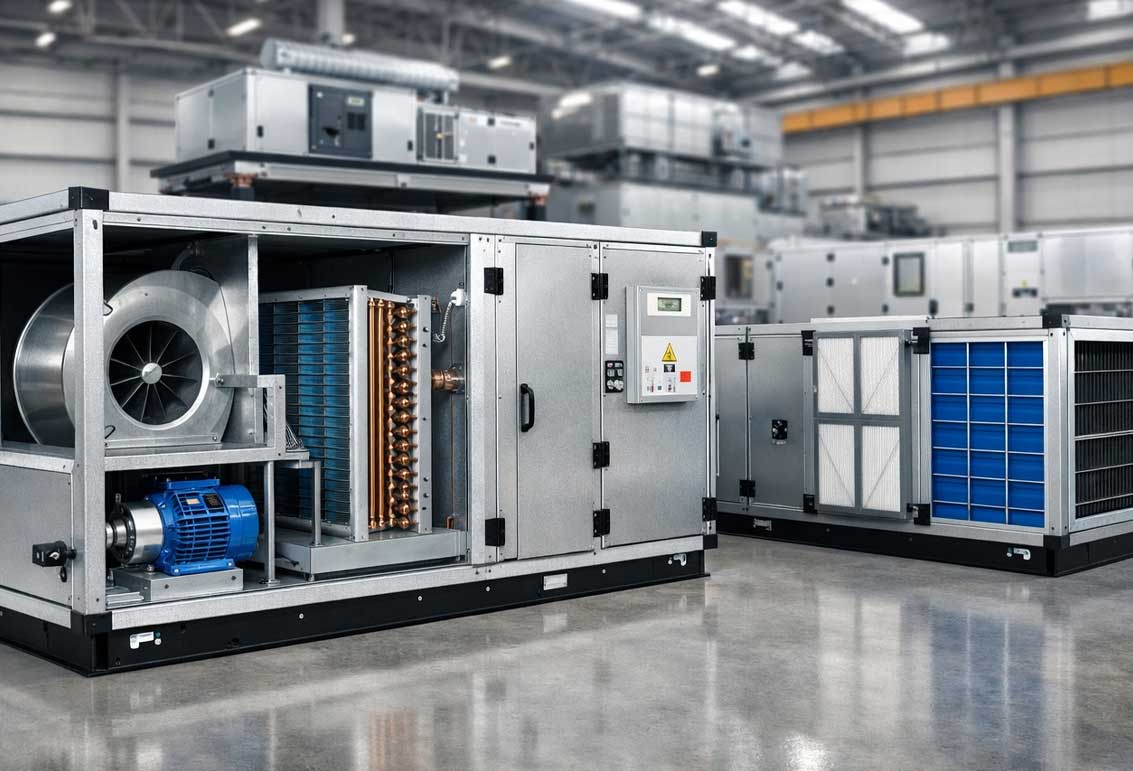
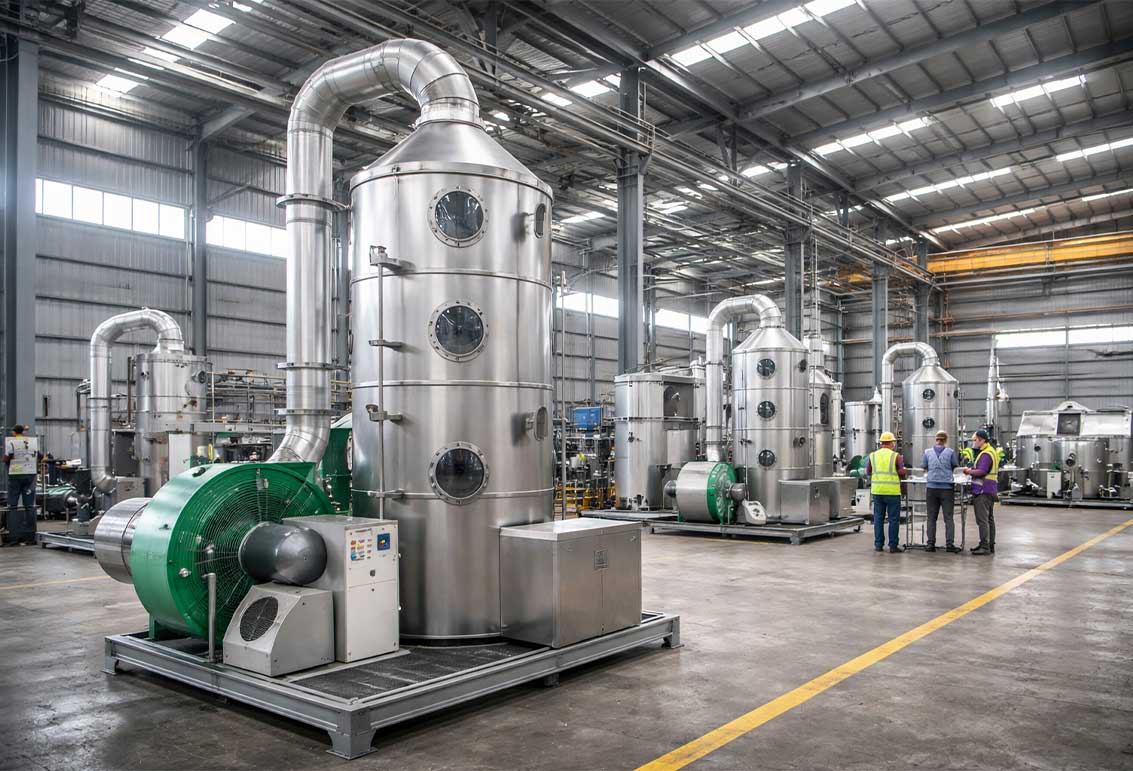
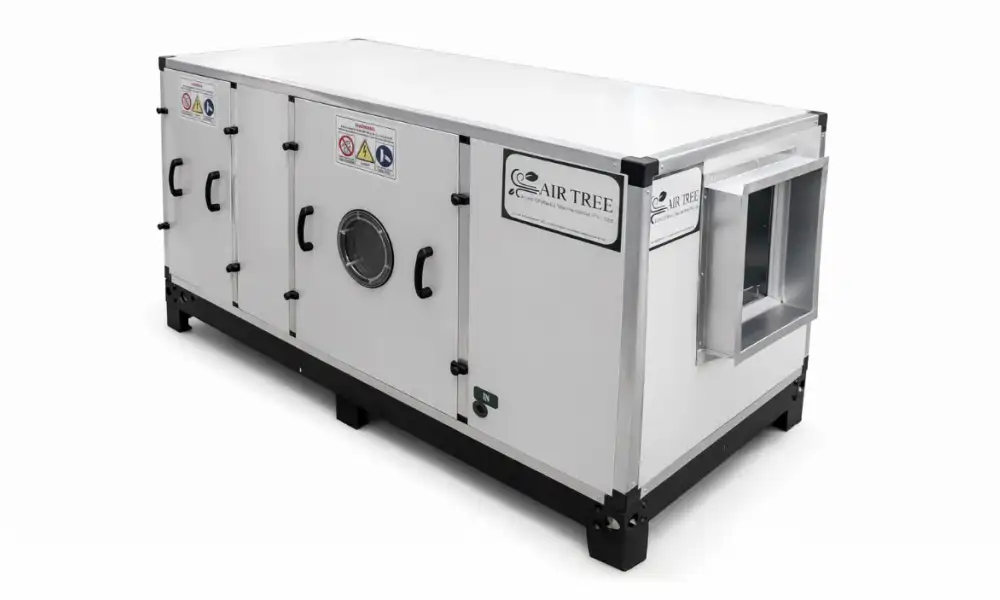
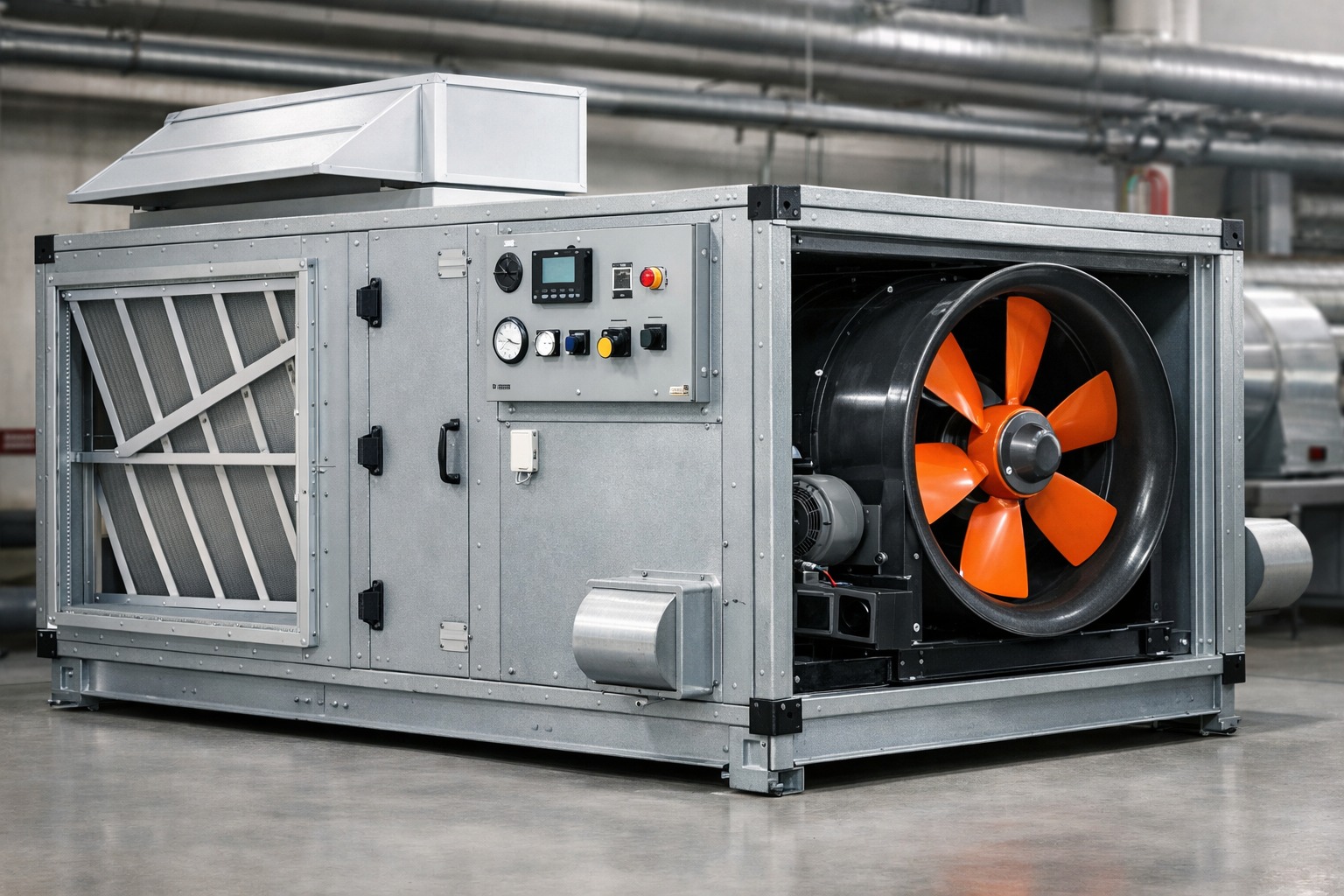
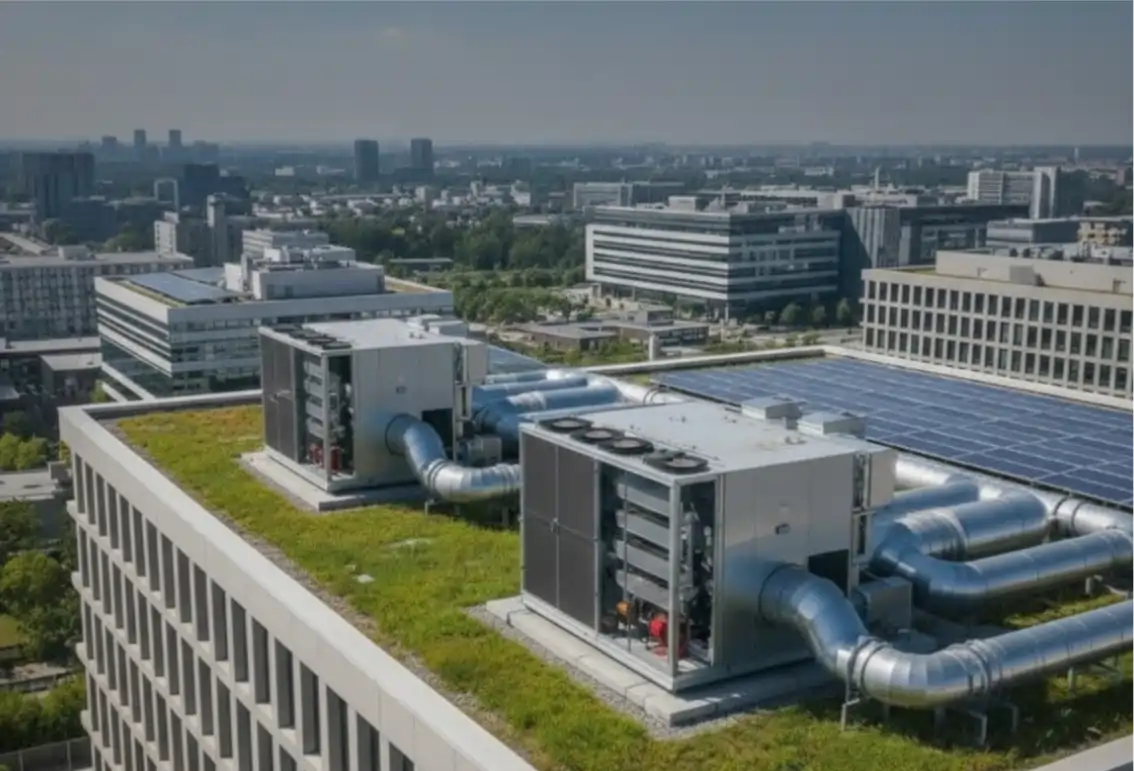
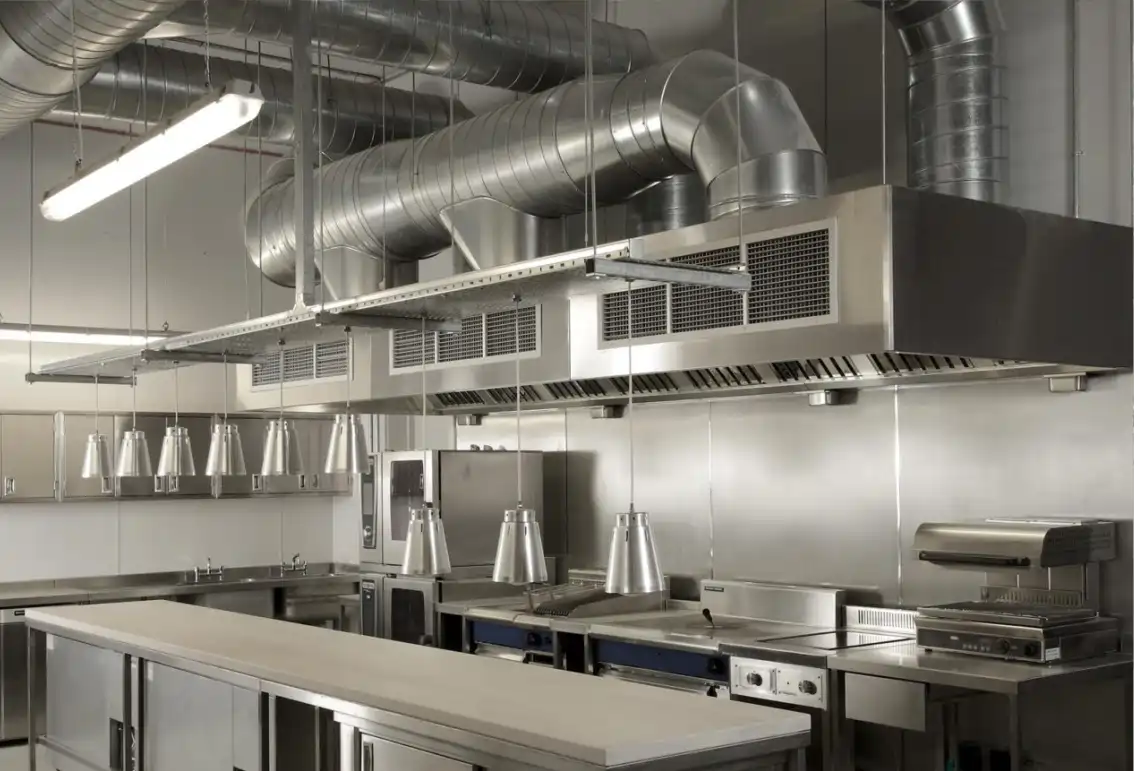
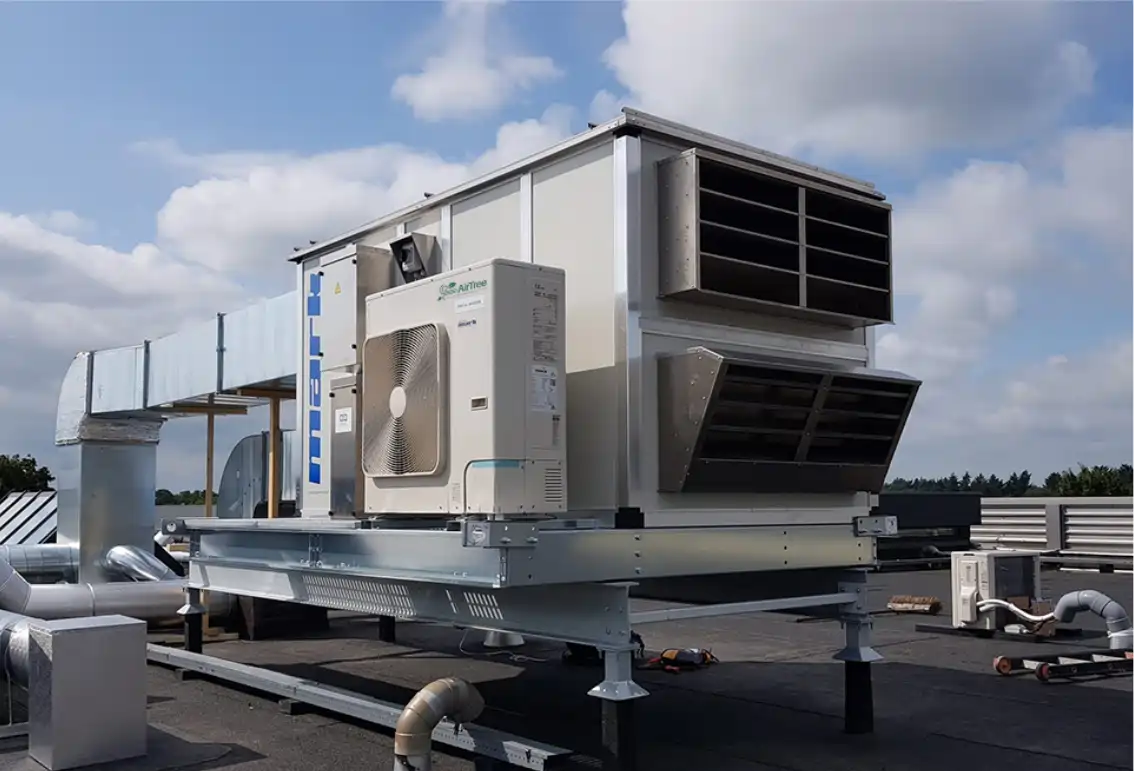
An Air washer is an air treatment unit that cools, cleans and humidifies air by passing it through water or a wet cooling pad. Factories use it to bring down shop-floor temperature, control dust and keep humidity at a workable level, usually at a much lower running cost than a full refrigeration-based system.If you manage a plant in a hot, dry region, you already know the problem. Machines run hot, workers slow down, and dust settles on everything. An air washer is one of the simpler fixes. This guide explains what it is, how it works, and where it fits in industrial settings. It also covers what to look at before you buy one.What is an Air Washer?An Air Washer is a ventilation and cooling system that treats fresh outside air before it enters a building. Hot, dry air goes in. Cooler, cleaner and slightly more humid air comes out.The cooling comes from evaporation. When water evaporates, it takes heat from the surrounding air. This is the same reason a wet cloth feels cold in a breeze. An air washer does this in a controlled way, with a fan to move the air and a pad or spray section to hold the water.Some people call it an evaporative cooler or an air scrubber. The names overlap, but the core job is the same: use water to treat air.How does an Air Washer Work?The working principle is easy to follow once you see the sequence.Air intake. A fan pulls outside air into the unit through a filter, which catches the larger particles first.Contact with water. The air passes through a wetted cooling pad or a water spray section. Water evaporates into the air stream and pulls heat out of it.Dust and odour removal. While the air is in contact with water, dust particles stick to the wet surface and get washed away. Some odours and soluble gases are absorbed too.Mist elimination. Mist eliminators stop water droplets from travelling into the supply duct, so the air leaving the unit is cool but not dripping.Supply. The conditioned air moves through ducts or directly into the space.The temperature drop depends on how dry the incoming air is. The drier the air, the more cooling you get. This is why air washers do especially well in hot, arid climates, and why they struggle during humid monsoon weeks. Hybrid designs exist to deal with that, and we cover them below.Types of Air WashersSingle stage. Air goes through one wet section. It is the simplest and cheapest option, suited to basic cooling and dust control.Double stage. Air is first pre-cooled through a heat exchanger with no water contact, then it passes through the wet pad. Because the air arrives already cooler, the final temperature is lower and humidity does not climb as much. Airtree’s Double Stage Air Washer Unit works this way, with mist eliminators at the end to prevent water carryover.Hybrid (three stage). This type adds DX cooling to the mix. In dry weather, the air uses the evaporative pad. When humidity is high, the pad is bypassed and the air goes through a DX coil, which cools and dehumidifies at the same time. The switching is automatic. If your plant faces both dry summers and sticky monsoons, the Hybrid Air Washer handles both without two separate systems.Double skin construction. Airtree also builds Double Skin Air Washers with insulated panels. They are used for industrial exhaust, kitchen fumes and process emissions as well as comfort cooling.Where factories use air washers ?Air washers show up across many industrial settings. These are the most common ones.Textile and spinning mills. Yarn breaks more often when the air is too dry. Controlled humidity keeps fibres workable and cuts static.Automobile and engineering plants. Large halls with welding and machining get very hot. Air washers lower the floor temperature without the power bill of full air conditioning.Printing and packaging. Paper behaves better at stable humidity, which reduces curling and registration problems.Electronics and assembly. Dust control matters here, and so does moderate humidity to limit static discharge.Food processing and cold-chain support areas. Clean, temperature-managed air helps with hygiene in production halls.Foundries, kitchens and heavy-heat zones. Where heat and fumes build up, washing the air helps with both.In many of these plants, air washers work alongside other equipment. Exhaust fans such as tube axial fans push stale air out, and the air washer supplies fresh conditioned air in. Where fumes are a concern, a wet scrubber cleans the exhaust stream before it leaves the building.Benefits worth knowingLower energy use compared with compressor-based coolingFresh air supply, not recirculated airDust and some odour reduction at the same time as coolingBetter humidity for processes that need itSimple maintenance on most designsLimits you should plan forAir washers are not a universal answer. In very humid weather, evaporative cooling loses strength. They also need a clean water supply, regular pad cleaning and attention to water quality. If your process needs very tight humidity or temperature control, you may need an AHU with cooling coils or a dehumidifier in the mix.How to choose the right Air Washer Unit ?Before you pick a model, work through these questions:What is the typical outdoor humidity at your site across the year?How large is the space, and how many air changes per hour do you need?Does the process need strict humidity limits?How much heat and dust do machines add?Is water supply reliable and of reasonable quality?An honest answer to these usually points to single stage, double stage or hybrid. If you are unsure, a site visit and a heat load calculation save money later. You can see the full range on the Airtree products page, or talk to the team through the contact page.About AirtreeAirtree is an Indian HVAC and ventilation company, a unit of We4U Maintenance Pvt Ltd, based in Greater Noida. Its range covers air handling units, cooling coils, dehumidifiers, air washers, fans and pollution control equipment. For more reading, visit the Airtree blog and the Knowledge Hub.Frequently Asked QuestionsWhat is an air washer in simple words? It is a machine that cools and cleans air using water. Air passes over a wet pad, heat leaves the air as the water evaporates, and dust gets trapped in the water.How is an air washer different from an air conditioner?An air conditioner uses a refrigerant and compressor and usually recirculates indoor air. An air washer uses evaporation and supplies fresh outside air, so it generally costs less to run.Does an air washer work in humid weather? Pure evaporative designs lose performance when humidity is high. A hybrid air washer switches to DX cooling in those conditions, so it keeps working.Which factories benefit most from air washers? Textile mills, engineering and automobile plants, printing units, electronics assembly and food processing halls see the most benefit.How often does an air washer need maintenance? Check water quality and pads regularly, and clean the pads and tank on a schedule that suits your dust and water conditions. Your supplier can set a routine for your site.
Read More