Industrial Dehumidifier for Factories & Warehouses Improve Air Quality
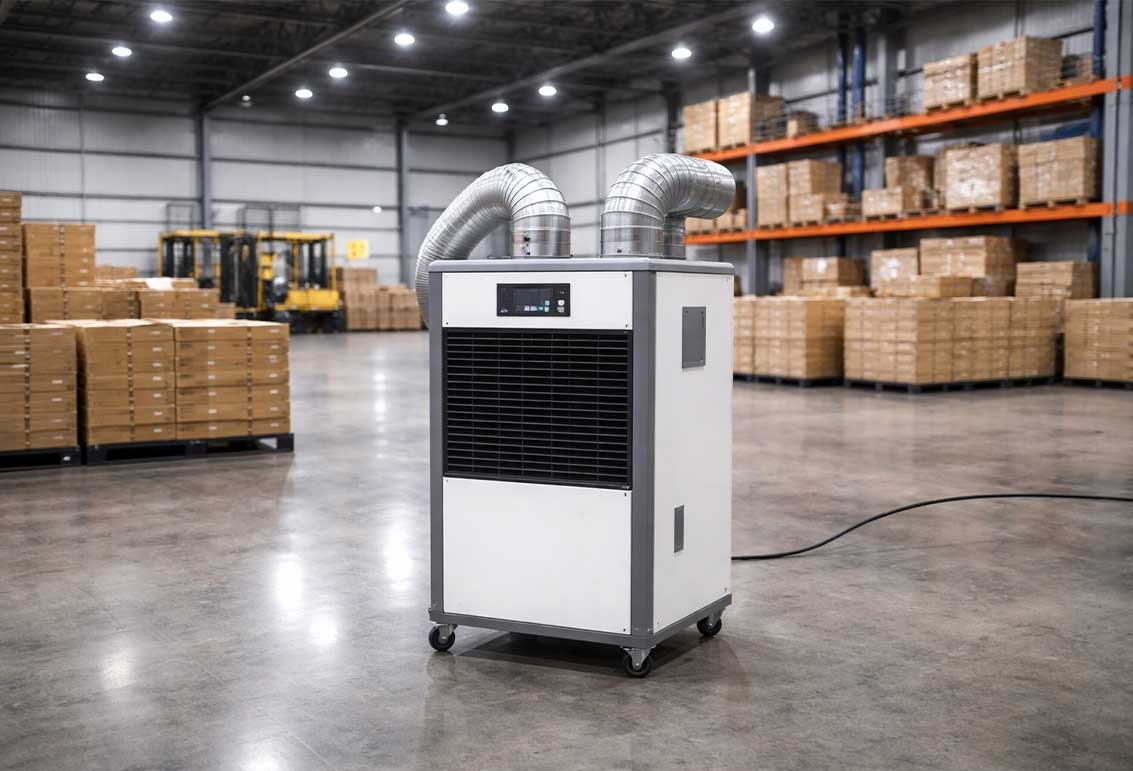
Humidity is one of the most underestimated challenges in industrial environments. While temperature control and ventilation often receive attention, excess moisture in factories and warehouses can silently affect productivity, equipment performance, product quality, and overall workplace safety. This is where an industrial dehumidifier becomes a critical part of modern facility management.
From manufacturing units and storage warehouses to packaging facilities and logistics hubs, controlling humidity is essential for maintaining air quality and protecting valuable assets. Investing in the right dehumidifier for industrial use can help businesses create a safer, cleaner, and more efficient working environment.
Why Humidity Control Matters in Industrial Spaces
Industrial buildings typically have large open areas, heavy machinery, and continuous operational processes. These factors naturally generate heat and moisture. In addition, seasonal weather conditions, poor ventilation, and water-based industrial processes can significantly increase humidity levels.
When humidity rises beyond optimal levels, the effects can be wide-ranging. Workers may experience discomfort, surfaces can become slippery, stored goods may get damaged, and sensitive machinery can begin to corrode.
Maintaining balanced humidity is therefore not just about comfort. It directly contributes to operational stability and workplace efficiency.
Understanding the Role of an Industrial Dehumidifier
An industrial dehumidifier is designed to remove excess moisture from large commercial or industrial spaces. Unlike residential units, these systems are built for higher capacity, durability, and continuous performance.
They work by drawing in humid air, extracting moisture through advanced condensation or desiccant technology, and releasing dry air back into the environment. This process helps maintain consistent humidity levels throughout the facility.
By stabilizing indoor moisture conditions, industrial dehumidifiers support better air quality, protect infrastructure, and ensure product integrity.
Key Benefits of Using a Dehumidifier for Industrial Use
Factories and warehouses that implement proper humidity control often notice improvements across multiple operational areas. Some major benefits include:
- Reduced risk of mold and microbial growth
- Protection against rust and corrosion in machinery
- Improved comfort for workers and staff
- Better preservation of raw materials and finished goods
- Enhanced energy efficiency in HVAC systems
- Lower maintenance costs over time
These advantages make industrial dehumidifiers a practical investment rather than just an optional facility upgrade.
How Humidity Affects Machinery and Equipment
In many industries, machinery represents a significant financial investment. Excess moisture in the air can gradually damage metal components, electrical systems, and moving parts.
Condensation forming on sensitive surfaces can lead to oxidation, electrical faults, and lubrication issues. Over time, this can result in unexpected downtime and costly repairs.
Using an industrial dehumidifier helps maintain stable environmental conditions, ensuring equipment operates smoothly and reliably.
Impact on Product Quality and Storage
Warehouses often store goods that are highly sensitive to moisture. These may include paper products, textiles, electronics, food ingredients, pharmaceuticals, and packaging materials.
High humidity can cause warping, spoilage, clumping, or contamination. Even minor moisture exposure can affect shelf life and product consistency.
By installing a dehumidifier for industrial use, businesses can safeguard inventory quality and maintain compliance with storage standards.
Improving Worker Comfort and Productivity
Industrial environments can become uncomfortable when humidity levels rise. Workers may feel fatigued more quickly, and the perceived temperature inside the facility can increase.
Excess moisture can also create slippery floors and increase the likelihood of workplace accidents.
A properly managed humidity system contributes to:
- Better air circulation
- Reduced heat stress
- Safer working conditions
- Improved employee morale
These factors collectively support higher productivity and smoother daily operations.
Choosing the Right Industrial Dehumidifier
Selecting the correct dehumidification solution depends on several important factors. Industrial facilities must evaluate both technical requirements and operational goals.
Key considerations include:
Space size and layout
Large warehouses may require high-capacity units or multiple installations for effective coverage.
Humidity load
Facilities with water-intensive processes need stronger moisture removal performance.
Energy efficiency
Modern systems are designed to operate continuously while minimizing power consumption.
Installation flexibility
Portable, wall-mounted, or centralized systems offer different advantages depending on facility design.
Understanding these aspects helps businesses make informed decisions and achieve long-term performance benefits.
Types of Industrial Dehumidification Technologies
There are generally two primary technologies used in industrial dehumidifiers.
Refrigerant-based systems
These work well in moderate temperature environments and are commonly used in storage facilities and manufacturing units.
Desiccant-based systems
These are suitable for low-temperature or highly humid conditions and provide precise humidity control.
Choosing the right technology ensures efficient moisture removal without unnecessary operational costs.
Role of Smart Air Management in Modern Industries
Today’s industrial spaces are increasingly adopting intelligent environmental control systems. Monitoring humidity levels in real time allows facility managers to respond quickly to changing conditions.
Advanced dehumidifiers can integrate with broader air management solutions to maintain consistent indoor air quality. This approach not only protects infrastructure but also aligns with sustainability goals by optimizing energy usage.
As industries move toward automation and efficiency-driven operations, humidity control systems are becoming an essential part of facility planning.
Long-Term Cost Savings Through Humidity Control
While installing an industrial dehumidifier requires initial investment, the long-term financial benefits are significant.
Businesses can reduce losses caused by damaged goods, avoid frequent machinery maintenance, and minimize downtime due to environmental issues.
Energy-efficient humidity control can also improve HVAC performance, lowering overall operational expenses.
In many cases, companies find that dehumidification systems pay for themselves over time through improved efficiency and reduced risk.
Frequently Asked Questions (FAQ)
What humidity level is ideal for factories and warehouses?
Most industrial environments perform best when humidity levels are maintained between 40% and 60%. However, specific industries such as pharmaceuticals or electronics may require tighter control.
How do I know if my facility needs an industrial dehumidifier?
Common signs include condensation on surfaces, mold growth, musty odors, rust formation, and product damage due to moisture exposure.
Can one dehumidifier cover an entire warehouse?
It depends on the size and layout of the facility. Large spaces may require multiple units or a centralized humidity control system for effective performance.
Are industrial dehumidifiers energy efficient?
Modern systems are designed with energy-saving features and can operate continuously without significantly increasing electricity consumption.
How often does maintenance need to be done?
Routine inspection, filter cleaning, and periodic servicing help ensure consistent performance and long equipment life.
Final Thoughts
Humidity control is no longer a secondary concern in industrial operations. From protecting machinery and maintaining product quality to improving worker comfort and air safety, the benefits of installing an industrial dehumidifier are both immediate and long-lasting.
As industries continue to prioritize efficiency, sustainability, and operational reliability, investing in the right dehumidifier for industrial use becomes a strategic decision rather than just a technical upgrade.
Solutions designed for large-scale air management, such as those developed by Air Tree, are helping factories and warehouses create healthier environments while supporting consistent productivity and long-term performance.
Stay ahead with more industry insights
Join our newsletter to receive the latest HVAC technologies and ventilation solutions directly in your inbox.