




Consultation
Manufacturing
About Us

Guiding projects,
building trust,
finding solutions

AirTree (a unit of We4U Maintenance Pvt Ltd) is India's most trusted HVAC and Air Handling Unit manufacturer. Established in 2018 by industry veterans, we bring decades of expertise to every project.

Our Vision

To create an India where every industry breathes better with accessible, efficient HVAC solutions.

Our Mission

  • Deliver Quality That Lasts
  • Never Miss A Deadline
  • Innovate Responsibly
Why Choose Us

Trusted care,
lasting positive change

With a commitment to quality and reliability, we empower industries to achieve optimal air management. Our team of experienced engineers provides:

Experienced Professionals

Expert engineers with decades of HVAC experience.

Client-Centered Approach

Your project's success is our primary focus.

Safe & Reliable Systems

ISO-certified quality at every step.

Commitment To Growth

Constantly innovating for better solutions.

Consultation Session
• Contact Us • Contact Us • Contact Us •
Our Products

Advanced HVAC Solutions for Every Industry

From compact units to large-scale industrial systems, AirTree delivers customized solutions engineered for optimal performance.

Wet Scrubber (Fume Exhaust)
Pollution Control Equipment's
Dry Scrubber (Fume Exhaust)
Pollution Control Equipment's
Hybrid Air Washer
Air Ventilation & Cooling System
Double Stage Air Washer Unit
Air Ventilation & Cooling System
Double Skin Fresh Air Unit
Air Ventilation & Cooling System
Double Skin Air Washer
Air Ventilation & Cooling System
SISW Exhaust Fans
Air Ventilation & Cooling System
Cabinet Fans & Double Skin Exhaust Fan
Air Ventilation & Cooling System
Industries We Serve

Where Every Industry Breathes Better

With years of experience across diverse sectors, we design systems that optimize air quality, temperature, and ventilation efficiency.

Industries & Units

Robust air management for manufacturing excellence.

Hotels & Restaurants

Supreme comfort and kitchen ventilation specialists.

Malls & Retail

High-volume AHUs for massive footfall spaces.

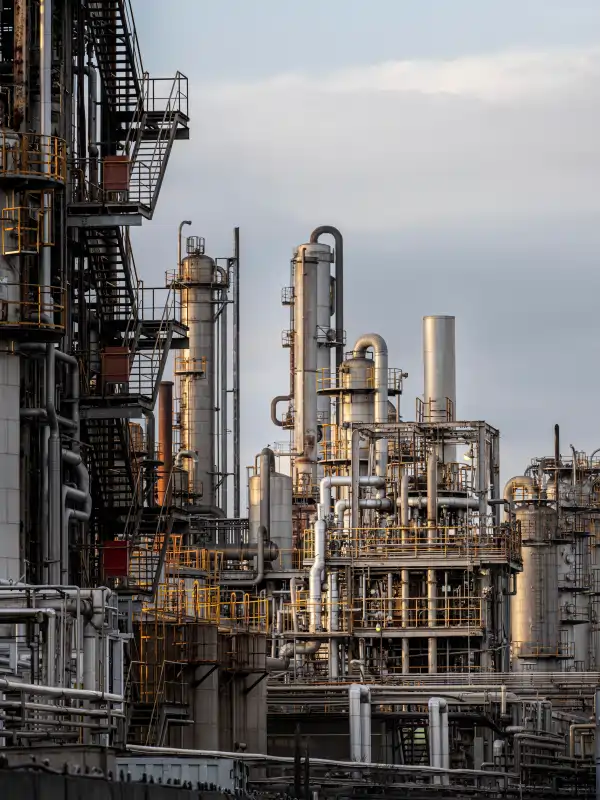
Offices & IT Parks

Energy efficient cooling for productive workspaces.

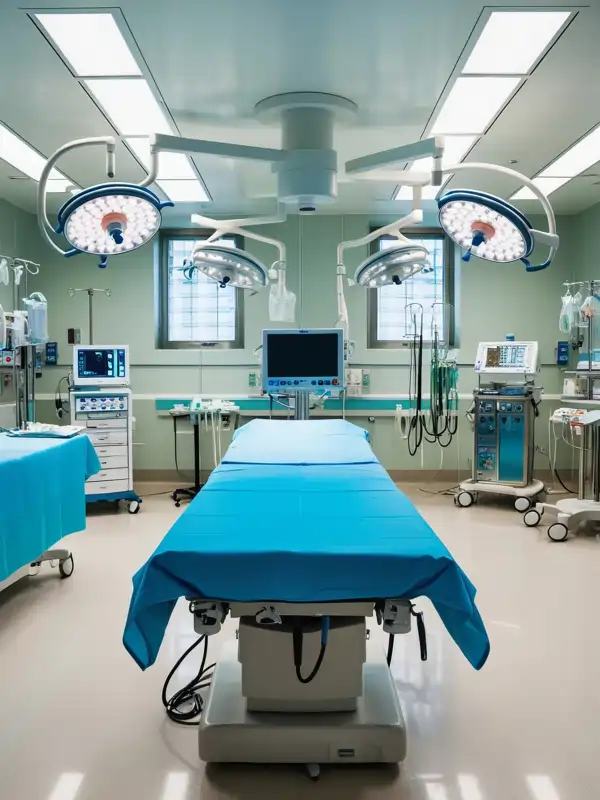
Hospitals & Labs

Sterile air solutions for healthcare critical zones.

Residential & Comm.

Custom HVAC design for premium buildings.

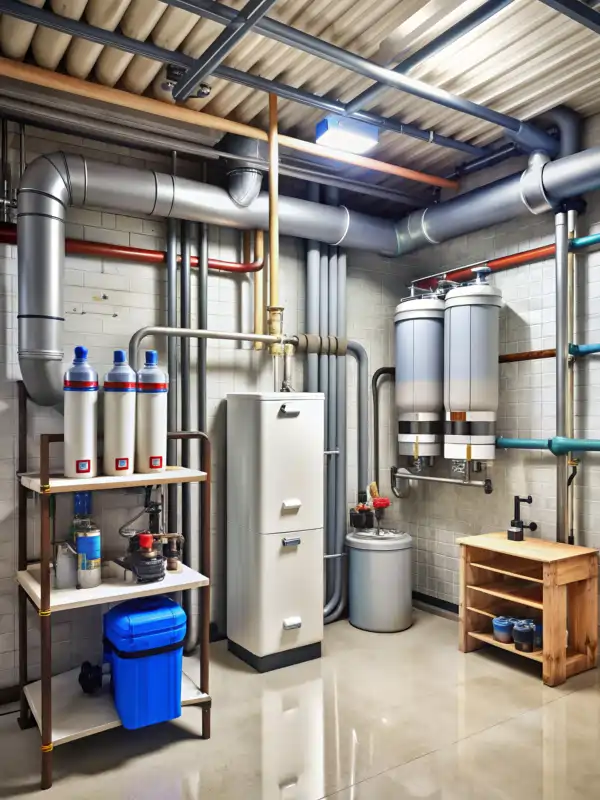
Utility & Gen. Rooms

Specialized ventilation for critical equipment zones.

Our Promise

Why Choose AirTree?

We don't just commit — we deliver. Experience the AirTree difference.

10 Days

Dispatch within 10 Days

HVAC equipment ready in just 10 Days. We understand project timelines and never miss deadlines.

100%

In-House Manufacturing

Zero dependency, total quality control. Every unit crafted in our state-of-the-art facility.

Expert

Commercial Kitchen Experts

Specialized systems designed for efficiency, hygiene & long life in professional kitchens.

Nationwide

Pan India Presence

Supplying projects across metros & emerging cities with equal speed and precision.

24/7

Service First Approach

From consultation to commissioning, we stay till it runs right. 24-48 hour response time.

Fast

Strategic Logistics

Advanced inventory management and dedicated dispatch team for seamless delivery.

97%
Client Satisfaction
500+
Projects Completed
100+
Cities Served
25+
Years Experience
Industry Insights

Latest from the AirTree Journal

View blogs
Apr 14, 2026

Fresh Air Handling Units: Components, Operation & Maintenance

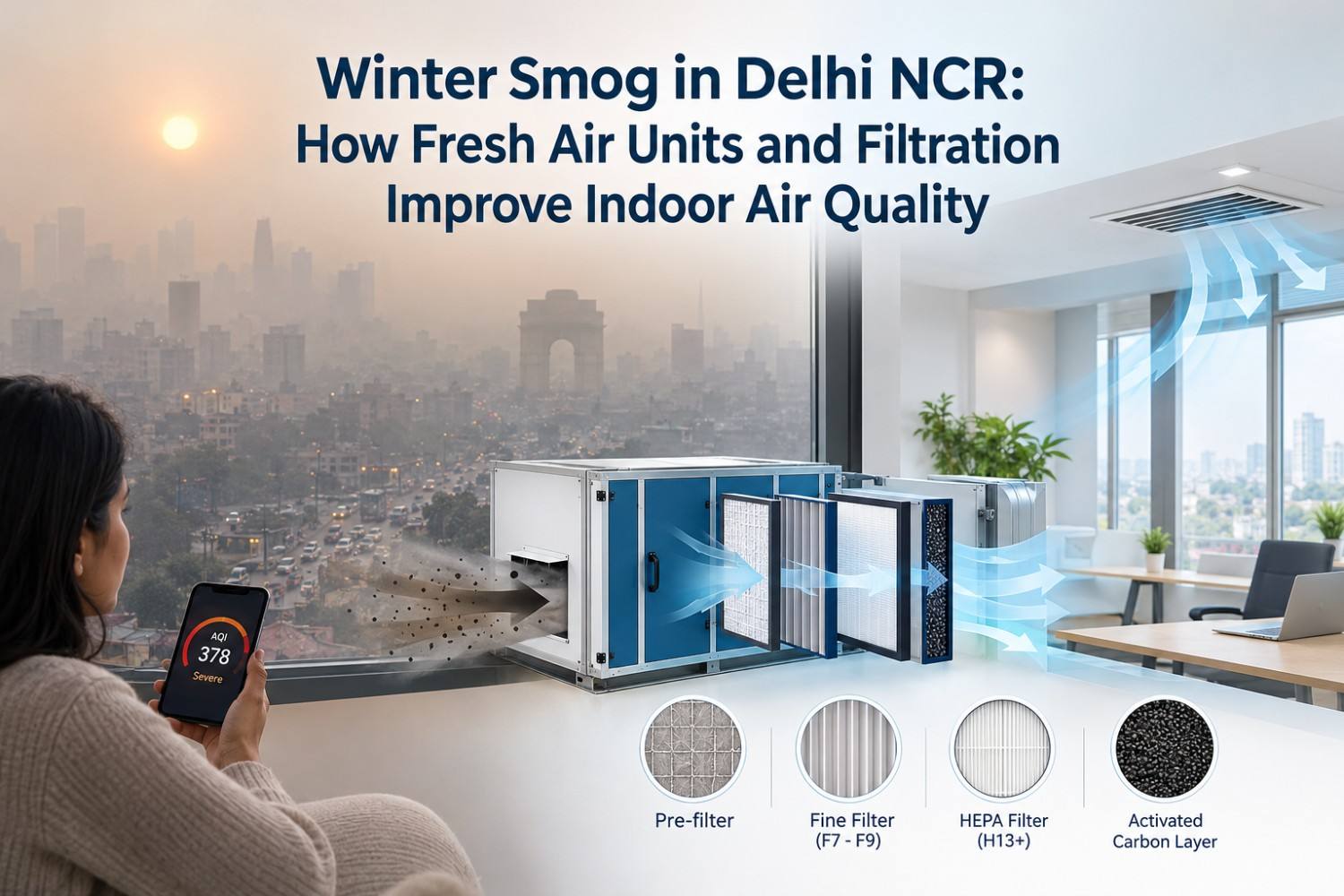
Indoor air quality has become a major concern in modern buildings, especially with increasing pollution levels and tightly sealed structures. To address this, HVAC systems now rely on specialized equipment like Fresh Air Handling Units (FAHUs). These systems are designed not just for temperature control but for ensuring a steady supply of clean and fresh air indoors.Whether it is a commercial building, hospital, or industrial facility, FAHUs play a vital role in maintaining a healthy indoor environment. This blog explains FAHUs in detail, covering their construction, components, working, and maintenance in a simple and practical way.What is a Fresh Air Handling Unit (FAHU)?A Fresh Air Handling Unit (FAHU) is a type of HVAC system that is specifically designed to treat and supply fresh outdoor air into indoor spaces. Unlike conventional air handling units that mainly recirculate indoor air, a FAHU works with 100% fresh air intake.The primary function of a FAHU is to improve indoor air quality by filtering, conditioning, and distributing clean air throughout a building. It removes dust, pollutants, and harmful particles while also controlling temperature and humidity levels.FAHUs are especially important in places where air quality is critical, such as hospitals, laboratories, cleanrooms, and manufacturing units. By continuously replacing stale indoor air with fresh air, these systems help create a healthier and more comfortable environment.Key Construction and Design Features of Fresh Air Handling UnitsThe design of a FAHU is carefully engineered to ensure efficient performance and durability. One of the most important aspects is the unit casing, which is usually made of high-quality materials like galvanized steel or aluminum. This casing protects internal components and prevents air leakage.Another key feature is thermal insulation. FAHUs are insulated to avoid energy loss and prevent condensation, which can affect system performance. Proper sealing is also essential to ensure that no untreated air enters the system. The airflow design within the unit is optimized for smooth and uniform distribution. Advanced FAHUs are equipped with energy-efficient fans and motors that reduce power consumption while maintaining consistent airflow.In addition, modern FAHUs often include smart control systems that allow monitoring and adjustment of temperature, humidity, and airflow. These features make the system more efficient and easier to manage.Main Components of FAHUsA FAHU consists of several essential components that work together to process and deliver fresh air. The filtration system is one of the most critical parts, as it removes dust, dirt, and other airborne contaminants. Depending on the application, multiple stages of filters may be used, including pre-filters and fine filters.The cooling and heating coils are responsible for adjusting the air temperature. These coils ensure that the incoming air is conditioned according to indoor comfort requirements, regardless of external weather conditions.Fans or blowers play a key role in moving air through the system and distributing it across different areas. Without proper airflow, the system cannot function effectively. Dampers are used to control the amount of fresh air entering the system. They help regulate airflow and maintain balance between intake and exhaust.In some setups, humidity control devices such as humidifiers or dehumidifiers are also included. These components help maintain optimal moisture levels, which is important for both comfort and equipment protection.Operating Principles of Fresh Air Handling UnitsThe operation of a FAHU follows a systematic process that ensures the delivery of clean and conditioned air. It begins with the intake of fresh air from outside the building. This air enters the system through dampers that control the volume of intake.Once inside, the air passes through a series of filters that remove dust, pollen, and other contaminants. This step is crucial for maintaining air quality and protecting internal components. After filtration, the air is conditioned using heating or cooling coils. During hot weather, the air is cooled to a comfortable level, while in colder conditions, it is heated accordingly. This ensures that the indoor environment remains consistent regardless of outdoor temperature.Humidity control is another important aspect of the operation. If required, the system adjusts moisture levels to prevent dryness or excessive humidity.The treated air is then distributed throughout the building using ducts and fans. At the same time, stale air is often removed through an exhaust system, maintaining proper ventilation balance.This continuous cycle ensures that indoor spaces receive a constant supply of fresh, clean, and comfortable air.Maintenance Practices for Fresh Air Handling UnitsRegular maintenance is essential to keep FAHUs operating efficiently and to extend their lifespan.  With a solution from Airtree, maintenance becomes more structured and performance  focused.  One of the most important tasks is maintaining the filters. Over time, filters can become clogged with dust and particles, reducing airflow and system efficiency. Cleaning or replacing them at regular intervals is necessary.The coils should also be inspected and cleaned to ensure proper heat exchange. Dirty coils can affect temperature control and increase energy consumption. Fans and blowers must be checked for smooth operation. Any unusual noise or vibration should be addressed immediately to prevent further damage.Dampers need to be inspected to ensure they are functioning correctly and allowing proper airflow. Faulty dampers can disrupt the balance of the system. Ducts should be cleaned periodically to prevent dust accumulation, which can affect air quality and airflow. Additionally, humidity control components must be checked to ensure they are maintaining the correct moisture levels.Scheduling regular professional servicing is highly recommended, as it helps identify potential issues early and ensures the system runs efficiently. Airtree also supports long-term system reliability with well-designed FAHU solutions and service support. Frequently Asked Questions (FAQ)1. What is the main purpose of a FAHU?The main purpose of a FAHU is to supply fresh, filtered, and conditioned air into indoor spaces, improving air quality and ventilation.2. How is FAHU different from AHU?A FAHU uses 100% fresh outdoor air, while an AHU mainly recirculates indoor air for temperature control.3. Where are FAHUs commonly used?They are widely used in hospitals, cleanrooms, industries, commercial buildings, and laboratories.4. How often should FAHU filters be replaced?Filter replacement depends on usage and environment, but generally, they should be checked monthly and replaced as needed.5. Is FAHU energy-efficient?Yes, modern FAHUs are designed with energy-efficient components that optimize performance while reducing power consumption.6. Why is FAHU important in modern buildings?FAHU ensures proper ventilation and improves indoor air quality, which is essential in today’s airtight and pollution-prone environments.7. What is full form Of FAHU?The Full Form Of Fahu is Fresh Air Handling Unit.ConclusionFresh Air Handling Units (FAHUs) have become an essential part of modern HVAC systems, especially where indoor air quality is a top priority. By continuously supplying fresh, filtered, and conditioned air, these systems create a healthier and more comfortable indoor environment. With advanced solutions from Airtree, achieving consistent air quality and system efficiency becomes more reliable.Understanding the components, design, and operation of FAHUs helps in selecting the right system and ensuring its efficient performance. With proper maintenance practices, FAHUs can deliver long-term reliability and consistent air quality, especially when supported by trusted solutions like Airtree.As buildings continue to evolve with advanced designs and tighter structures, the role of FAHUs will only become more important. Investing in a well-designed FAHU system is not just about comfort, it is about creating a safer and more sustainable indoor space with dependable systems from Airtree.

Apr 09, 2026

What is FAHU in HVAC – Fresh Air Handling Unit?

In modern buildings, maintaining indoor air quality is just as important as controlling temperature. This is where a Fresh Air Handling Unit (FAHU) plays a key role. It is an essential part of HVAC systems designed to bring in fresh outdoor air, treat it, and supply it indoors for better ventilation and comfort. Unlike traditional systems that only recirculate indoor air, FAHU ensures a continuous flow of fresh, filtered, and conditioned air. This makes it highly useful in commercial spaces, hospitals, cleanrooms, and industrial setups where air quality cannot be compromised.In this blog, we will break down everything you need to know about FAHU in a simple and practical way.Fresh Air Handling Unit (FAHU)A Fresh Air Handling Unit (FAHU) is a specialized HVAC equipment used to intake fresh air from outside, filter it, condition it (cooling/heating), and supply it inside a building.The main purpose of FAHU is to improve indoor air quality by:Removing dust, pollutants, and contaminantsControlling humidity levelsMaintaining proper ventilationSupplying oxygen-rich fresh airFAHU systems are commonly connected with central air conditioning systems but operate with a focus on fresh air rather than recirculated air.Key Components of FAHUA Fresh Air Handling Unit (FAHU) is made up of several important components that work together to ensure a continuous supply of clean and conditioned air. The process begins with air filters, which play a crucial role in removing dust, dirt, and airborne impurities from the incoming air. Once the air is filtered, it passes through heating or Cooling coils that adjust the temperature based on the requirement, making the air comfortable for indoor use.The movement of air within the system is handled by a blower or fan, which ensures proper circulation and distribution throughout the space. Dampers are used to regulate the intake and control the flow of air entering the system. In environments where moisture control is necessary, a humidifier or dehumidifier may also be included to maintain balanced humidity levels. Together, these components ensure that the air supplied indoors is clean, fresh, and suitable for a healthy environment.Fresh Air Handling Unit Working PrincipleThe working principle of a FAHU is simple yet highly effective in maintaining indoor air quality. The process starts with the intake of fresh air from the outside through specially designed dampers. This air then moves through a filtration system where multiple stages of filters remove dust, pollen, and other harmful particles.After filtration, the air is conditioned by passing it through cooling or heating coils. During hot weather, the cooling coils reduce the air temperature, while in colder conditions, heating coils help maintain warmth. If required, the system also adjusts humidity levels using humidifiers or dehumidifiers to ensure a balanced indoor climate.Once the air is properly treated, it is distributed across the building through ducts using blowers. At the same time, many FAHU systems include an exhaust mechanism that removes stale indoor air, maintaining proper air balance. This continuous cycle ensures a steady flow of clean and fresh air inside the space.Difference Between AHU and FAHUAlthough AHU (Air Handling Unit) and FAHU may seem similar, their functions are quite different. An AHU primarily works by recirculating indoor air to maintain temperature and comfort levels within a space. In contrast, a FAHU is specifically designed to bring in 100% fresh air from outside, focusing more on ventilation and air quality.Another key difference lies in their application. AHUs are commonly used in residential buildings, offices, and malls where general comfort is the priority. On the other hand, FAHUs are widely used in places like hospitals, cleanrooms, laboratories, and industrial facilities where maintaining clean and contaminant-free air is essential.Filtration is also more advanced in FAHU systems, as they often include multiple stages of filtration compared to the basic filters used in AHUs. Additionally, while AHUs provide only a limited amount of fresh air, FAHUs are designed to ensure a continuous supply. In simple terms, AHUs are mainly for comfort, whereas FAHUs are focused on delivering clean and fresh air.Benefits of Fresh Air Handling UnitInstalling a FAHU system offers several practical benefits, especially in environments where air quality matters. One of the biggest advantages is the significant improvement in indoor air quality, as the system removes pollutants, allergens, and harmful particles before supplying air indoors. This directly contributes to better health and comfort, reducing issues like allergies, headaches, and respiratory problems. FAHU systems also provide controlled ventilation, ensuring a constant flow of oxygen-rich air inside the building. They help maintain balanced humidity levels, preventing problems caused by excessive dryness or moisture. Modern FAHU units are designed to be energy-efficient, optimizing performance while minimizing power consumption.Another important benefit is compliance with industry standards, especially in commercial and industrial setups where proper ventilation is mandatory. Additionally, continuous fresh air circulation helps eliminate unwanted odors, creating a more pleasant indoor environment.Applications of Fresh Air Handling UnitFAHU systems are widely used across different sectors where maintaining air quality is critical. In hospitals and healthcare facilities, they help create a clean and controlled environment, reducing the risk of infections. Cleanrooms in pharmaceutical and electronics industries rely heavily on FAHU systems to maintain dust-free conditions.Commercial spaces such as offices, malls, and hotels use FAHU units to ensure proper ventilation and comfort for occupants. In industrial facilities, these systems help remove harmful airborne particles, improving safety for workers. Laboratories also depend on FAHUs to maintain controlled air conditions necessary for accurate testing and research.Educational institutions benefit from fresh air circulation as it improves concentration and overall comfort for students. Similarly, data centers use FAHU systems to manage temperature and humidity levels, protecting sensitive equipment from damage.Maintenance Tips For Fresh Air Handling UnitProper maintenance of a FAHU system is essential to ensure its long-term efficiency and performance. One of the most important tasks is regularly cleaning or replacing air filters, as clogged filters can restrict airflow and reduce air quality. Cooling and heating coils should also be checked and cleaned to maintain effective temperature control.It is equally important to inspect dampers to ensure they are functioning correctly and allowing proper air intake. Monitoring the performance of fans and blowers can help identify unusual noise or vibrations, which may indicate underlying issues. Ducts should be cleaned periodically to prevent dust buildup and ensure smooth airflow.In systems equipped with humidity control features, humidifiers and dehumidifiers must be maintained properly to avoid imbalance in moisture levels. Regular servicing by professionals is highly recommended, as it helps detect problems early and extends the lifespan of the system.Why FAHU is Important in Modern HVAC SystemsWith rising pollution levels and increasing awareness about indoor air quality, FAHU systems are no longer optional—they are essential. Buildings today are more airtight for energy efficiency, which reduces natural ventilation. FAHU solves this problem by supplying controlled fresh air without affecting cooling efficiency.It also plays a key role in green building designs and sustainable construction practices.ConclusionA Fresh Air Handling Unit (FAHU) is a crucial part of modern HVAC systems that ensures clean, fresh, and healthy indoor air. From improving air quality to maintaining comfort and meeting industry standards, FAHU offers multiple benefits across residential, commercial, and industrial spaces. With the right solution from Airtree, businesses can achieve reliable ventilation along with long-term performance.Understanding how FAHU works, its advantages, and proper maintenance can help you make better decisions when designing or upgrading HVAC systems. Airtree focuses on delivering efficient and well- engineered FAHU systems that support better indoor environments withot compromising on quality. If your goal is to create a healthier and more comfortable indoor space, choosing a trusted solution like Airtree makes a significant difference. With advanced technology and a strong focus on air quality, Airtree stands as a dependable choice for modern HVAC needs.

Mar 16, 2026

Air Handling Unit Cooling Coil: Function, Types, and Benefits

In modern HVAC systems, maintaining indoor air quality and temperature control is essential for commercial buildings, industrial facilities, hospitals, shopping malls, and office spaces. One of the most important components that enables efficient cooling and air conditioning is the AHU cooling coil. Though often hidden inside the system, this component plays a major role in regulating temperature, humidity, and overall comfort.Understanding how cooling coils work inside an air handling unit (AHU), the types available, and the benefits they provide can help facility managers and engineers make better decisions while designing or upgrading HVAC infrastructure.What is an AHU Cooling Coil?An AHU cooling coil is a heat exchange component installed inside an Air Handling Unit that helps remove heat from the air. As warm air passes over the coil surface, heat is absorbed by chilled water or refrigerant flowing inside the coil tubes. This process lowers the air temperature before it is distributed throughout the building.Cooling coils are designed to handle large volumes of air efficiently, making them suitable for industrial and commercial environments where temperature consistency is crucial. An Air Handling Unit (AHU) is a large, centralized HVAC component that conditions and circulates air within commercial and industrial buildings. It operates as the "heart" of HVAC systems, regulating indoor temperature, humidity, and air quality by pulling in outside air, filtering it, and cooling or heating it before distributing it through ductwork.In addition to cooling, these coils also help in controlling humidity levels by condensing excess moisture from the air. This contributes to improved indoor air quality and comfort.Function of Cooling Coil in an Air Handling UnitThe primary function of an AHU cooling coil is to transfer heat from air to the cooling medium. However, its role goes beyond just temperature reduction.When air moves across the coil:Heat is extracted from the airMoisture condenses on the coil surfaceConditioned air is circulated into the occupied space This process helps maintain desired indoor conditions even in high occupancy or high heat load environments.Cooling coils also support ventilation efficiency by ensuring that fresh air entering the system is properly conditioned before reaching indoor spaces. This improves comfort and reduces the burden on other HVAC components.How AHU Cooling Coils Improve Indoor Air QualityIndoor air quality is a major concern in modern buildings, especially where people spend long hours working or where sensitive manufacturing processes take place.Cooling coils assist in air purification indirectly. By reducing humidity levels, they limit the growth of mold, bacteria, and airborne contaminants. Properly functioning coils also help maintain consistent airflow, preventing stagnant air pockets.In facilities such as pharmaceutical plants, electronics manufacturing units, and data centers, maintaining stable environmental conditions is critical. The role of the AHU cooling coil becomes even more significant in such environments.Types of AHU Cooling CoilsCooling coils are available in different configurations based on design requirements, cooling medium, and application.1. Chilled Water Cooling CoilsThese coils use chilled water supplied from a central chiller plant. As air passes over the coil, heat is transferred to the chilled water circulating inside.Chilled water coils are widely used in large commercial buildings because they provide efficient cooling across multiple zones.2. Direct Expansion (DX) Cooling CoilsDX coils use refrigerant instead of water. The refrigerant evaporates inside the coil tubes, absorbing heat directly from the air.These systems are commonly used in smaller or standalone HVAC setups where installing a centralized chiller may not be practical.3. Evaporator CoilsThese are similar to DX coils and are part of refrigeration-based cooling systems. They are often used in industrial applications where precise temperature control is required.Each coil type offers specific advantages depending on building size, cooling load, and operational requirements.Key Design Factors of AHU Cooling CoilsWhen selecting an AHU cooling coil, engineers must consider several performance parameters to ensure efficient operation.Important factors include:Coil surface area and fin designAir velocity and pressure dropCooling capacity requirementsTube material and corrosion resistanceDrainage system for condensate removalOptimizing these parameters ensures maximum heat transfer efficiency while minimizing energy consumption.Benefits of Installing High-Quality AHU Cooling CoilsModern HVAC systems depend heavily on coil performance. A well-designed cooling coil provides several long-term benefits.Energy EfficiencyEfficient heat transfer reduces the load on chillers and compressors, helping lower overall power consumption.Better Thermal ComfortConsistent temperature distribution improves occupant comfort in offices, malls, and institutional buildings.Reduced Equipment WearProper cooling reduces strain on fans and compressors, increasing system lifespan.Humidity ControlMaintaining balanced humidity levels prevents condensation-related issues such as mold growth and structural damage.Operational ReliabilityHigh-quality coils ensure uninterrupted cooling performance even during peak demand.These advantages make cooling coils a critical investment in HVAC planning.Maintenance Importance for AHU Cooling CoilsEven the best cooling coil requires regular maintenance to perform efficiently. Dust accumulation, microbial growth, and fin blockage can reduce airflow and heat transfer capacity.Routine cleaning and inspection help maintain optimal performance. Maintenance activities usually include:Cleaning coil fins and tubesChecking condensate drainageInspecting corrosion or leakageMonitoring airflow resistancePreventive maintenance not only improves efficiency but also reduces unexpected downtime.Role of AHU Cooling Coils in Industrial ApplicationsIndustrial environments often generate significant internal heat due to machinery, production processes, and equipment operations. Cooling coils help stabilize indoor temperature, ensuring smooth workflow and product quality.Industries that heavily depend on AHU cooling coils include:Textile manufacturingFood processing plantsElectronics assembly unitsPharmaceutical production facilitiesWarehousing and logistics hubsIn these settings, maintaining environmental control directly impacts productivity and compliance standards.Technological Advancements in Cooling Coil DesignWith growing emphasis on sustainability, manufacturers are focusing on developing coils that offer improved thermal performance and reduced environmental impact.Advanced materials, enhanced fin geometry, and optimized airflow designs are helping increase cooling efficiency while lowering energy consumption.Smart monitoring systems are also being integrated to track coil performance in real time. This allows facility managers to detect inefficiencies early and take corrective action.Such innovations are transforming traditional HVAC systems into intelligent climate control solutions.Choosing the Right AHU Cooling Coil for Your FacilitySelecting the right cooling coil requires evaluating multiple operational factors. Facility size, cooling load, airflow patterns, and energy goals must all be considered.Working with experienced HVAC solution providers ensures that the chosen system meets both performance expectations and long-term reliability requirements.Custom-designed cooling coils often deliver better efficiency because they are tailored to specific environmental conditions.Frequently Asked Questions (FAQ)What is the main purpose of an AHU cooling coil?The main purpose is to remove heat and moisture from air before it is circulated inside a building, ensuring comfortable indoor conditions.How often should cooling coils be cleaned?Cleaning frequency depends on usage and environmental conditions. Industrial facilities may require quarterly maintenance, while commercial buildings may follow semi-annual schedules.Can cooling coils improve energy efficiency?Yes. Efficient heat exchange reduces the load on chillers and compressors, lowering electricity consumption.What happens if an AHU cooling coil fails?Cooling performance drops significantly, humidity may rise, and indoor comfort levels can be affected. Equipment overheating risks may also increase.Are chilled water coils better than DX coils?Both have advantages. Chilled water coils are suitable for large centralized systems, while DX coils work well for smaller or independent installations.ConclusionThe AHU cooling coil is a fundamental component that ensures effective temperature control, humidity regulation, and indoor air quality across industrial and commercial environments. From improving comfort and operational efficiency to protecting equipment and infrastructure, its role is critical in modern HVAC systems.As buildings become smarter and sustainability goals grow stronger, investing in high-performance cooling solutions is more important than ever. Reliable HVAC components designed for long-term performance and optimized airflow management are helping facilities achieve consistent climate control and energy efficiency.Advanced air management solutions developed by Air Tree continue to support industries and commercial spaces in achieving dependable cooling performance, healthier indoor environments, and improved operational stability. 

How We Work

Our Process. Your Solutions.

Built for precision, delivered for performance.

01

Understanding Your Need

Every site is unique — our experts study your space, airflow requirements, and challenges.

02

Design & Customization

We design optimized systems tailored to your application, energy usage, and space.

03

Precision Manufacturing

Every AirTree product is crafted in our state-of-the-art facility with automated quality checks.

04

Quick Dispatch

Our logistics network ensures your system is ready and delivered within 7 working days.

05

On-Site Support

From installation assistance to after-sales service, we're with you at every step.

Ready to Upgrade Your Air Quality?

Get a comprehensive HVAC audit and custom solution proposal for your facility within 24 hours.

Get In Touch

Let's Discuss Your Requirement

Have a project in mind? Reach out to us for expert consultation and technical support.

Headquarters

Site-5 J 63/4, Kasna Road, Industrial Area,
Block D, Surajpur Site V, Greater Noida, UP - 201312

Working Hours

Monday - Saturday: 9:30 AM - 6:00 PM
Sunday: Closed

Send us a message

Download Our Brochure

Fill in your details to get instant access to our product catalog

+91