What is FAHU in HVAC – Fresh Air Handling Unit?
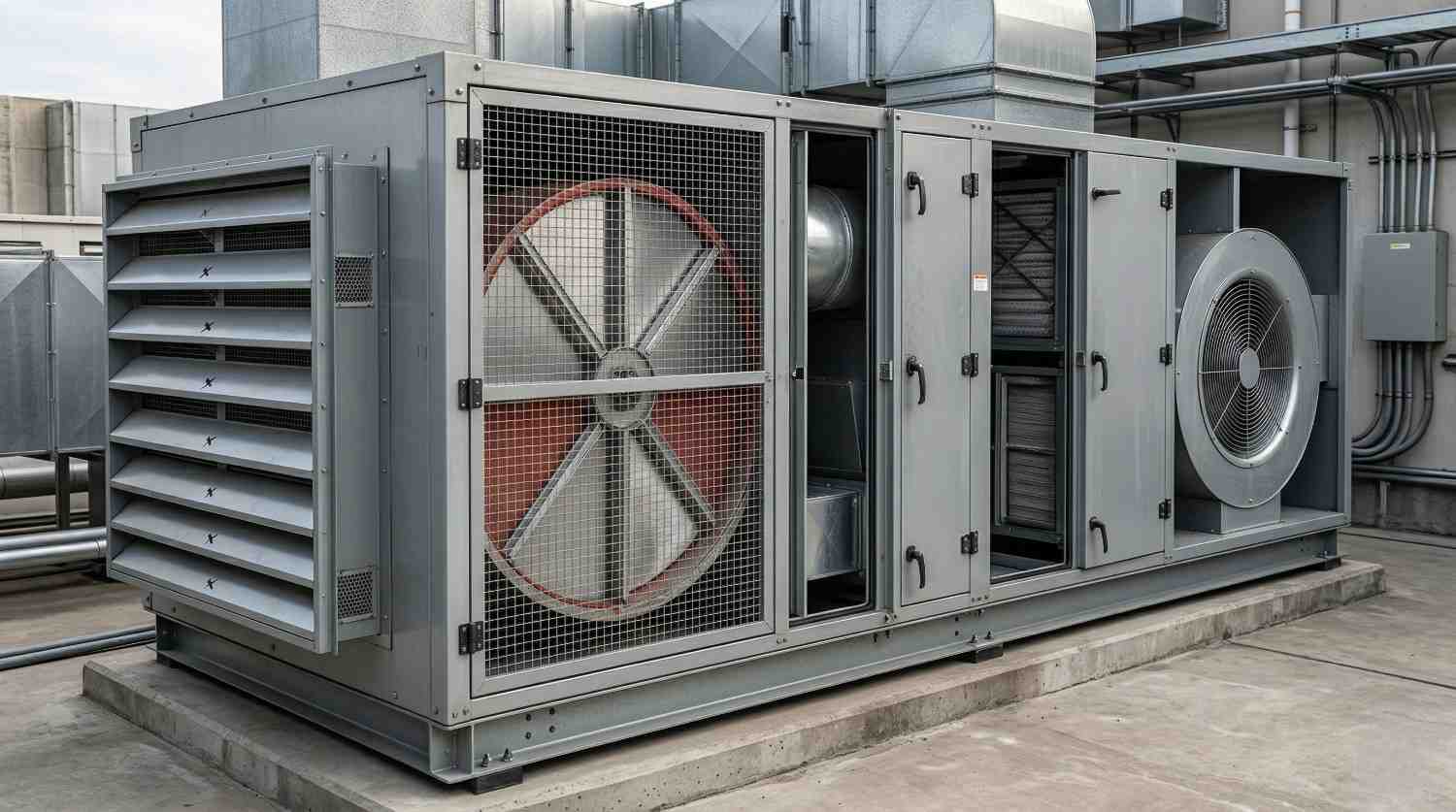
In modern buildings, maintaining indoor air quality is just as important as controlling temperature. This is where a Fresh Air Handling Unit (FAHU) plays a key role. It is an essential part of HVAC systems designed to bring in fresh outdoor air, treat it, and supply it indoors for better ventilation and comfort. Unlike traditional systems that only recirculate indoor air, FAHU ensures a continuous flow of fresh, filtered, and conditioned air. This makes it highly useful in commercial spaces, hospitals, cleanrooms, and industrial setups where air quality cannot be compromised.
In this blog, we will break down everything you need to know about FAHU in a simple and practical way.
Fresh Air Handling Unit (FAHU)
A Fresh Air Handling Unit (FAHU) is a specialized HVAC equipment used to intake fresh air from outside, filter it, condition it (cooling/heating), and supply it inside a building.
The main purpose of FAHU is to improve indoor air quality by:
- Removing dust, pollutants, and contaminants
- Controlling humidity levels
- Maintaining proper ventilation
- Supplying oxygen-rich fresh air
FAHU systems are commonly connected with central air conditioning systems but operate with a focus on fresh air rather than recirculated air.
Key Components of FAHU
A Fresh Air Handling Unit (FAHU) is made up of several important components that work together to ensure a continuous supply of clean and conditioned air. The process begins with air filters, which play a crucial role in removing dust, dirt, and airborne impurities from the incoming air. Once the air is filtered, it passes through heating or Cooling coils that adjust the temperature based on the requirement, making the air comfortable for indoor use.
The movement of air within the system is handled by a blower or fan, which ensures proper circulation and distribution throughout the space. Dampers are used to regulate the intake and control the flow of air entering the system. In environments where moisture control is necessary, a humidifier or dehumidifier may also be included to maintain balanced humidity levels. Together, these components ensure that the air supplied indoors is clean, fresh, and suitable for a healthy environment.
Fresh Air Handling Unit Working Principle
The working principle of a FAHU is simple yet highly effective in maintaining indoor air quality. The process starts with the intake of fresh air from the outside through specially designed dampers. This air then moves through a filtration system where multiple stages of filters remove dust, pollen, and other harmful particles.
After filtration, the air is conditioned by passing it through cooling or heating coils. During hot weather, the cooling coils reduce the air temperature, while in colder conditions, heating coils help maintain warmth. If required, the system also adjusts humidity levels using humidifiers or dehumidifiers to ensure a balanced indoor climate.
Once the air is properly treated, it is distributed across the building through ducts using blowers. At the same time, many FAHU systems include an exhaust mechanism that removes stale indoor air, maintaining proper air balance. This continuous cycle ensures a steady flow of clean and fresh air inside the space.
Difference Between AHU and FAHU
Although AHU (Air Handling Unit) and FAHU may seem similar, their functions are quite different. An AHU primarily works by recirculating indoor air to maintain temperature and comfort levels within a space. In contrast, a FAHU is specifically designed to bring in 100% fresh air from outside, focusing more on ventilation and air quality.
Another key difference lies in their application. AHUs are commonly used in residential buildings, offices, and malls where general comfort is the priority. On the other hand, FAHUs are widely used in places like hospitals, cleanrooms, laboratories, and industrial facilities where maintaining clean and contaminant-free air is essential.
Filtration is also more advanced in FAHU systems, as they often include multiple stages of filtration compared to the basic filters used in AHUs. Additionally, while AHUs provide only a limited amount of fresh air, FAHUs are designed to ensure a continuous supply. In simple terms, AHUs are mainly for comfort, whereas FAHUs are focused on delivering clean and fresh air.
Benefits of Fresh Air Handling Unit
Installing a FAHU system offers several practical benefits, especially in environments where air quality matters. One of the biggest advantages is the significant improvement in indoor air quality, as the system removes pollutants, allergens, and harmful particles before supplying air indoors. This directly contributes to better health and comfort, reducing issues like allergies, headaches, and respiratory problems. FAHU systems also provide controlled ventilation, ensuring a constant flow of oxygen-rich air inside the building. They help maintain balanced humidity levels, preventing problems caused by excessive dryness or moisture. Modern FAHU units are designed to be energy-efficient, optimizing performance while minimizing power consumption.
Another important benefit is compliance with industry standards, especially in commercial and industrial setups where proper ventilation is mandatory. Additionally, continuous fresh air circulation helps eliminate unwanted odors, creating a more pleasant indoor environment.
Applications of Fresh Air Handling Unit
FAHU systems are widely used across different sectors where maintaining air quality is critical. In hospitals and healthcare facilities, they help create a clean and controlled environment, reducing the risk of infections. Cleanrooms in pharmaceutical and electronics industries rely heavily on FAHU systems to maintain dust-free conditions.
Commercial spaces such as offices, malls, and hotels use FAHU units to ensure proper ventilation and comfort for occupants. In industrial facilities, these systems help remove harmful airborne particles, improving safety for workers. Laboratories also depend on FAHUs to maintain controlled air conditions necessary for accurate testing and research.
Educational institutions benefit from fresh air circulation as it improves concentration and overall comfort for students. Similarly, data centers use FAHU systems to manage temperature and humidity levels, protecting sensitive equipment from damage.
Maintenance Tips For Fresh Air Handling Unit
Proper maintenance of a FAHU system is essential to ensure its long-term efficiency and performance. One of the most important tasks is regularly cleaning or replacing air filters, as clogged filters can restrict airflow and reduce air quality. Cooling and heating coils should also be checked and cleaned to maintain effective temperature control.
It is equally important to inspect dampers to ensure they are functioning correctly and allowing proper air intake. Monitoring the performance of fans and blowers can help identify unusual noise or vibrations, which may indicate underlying issues. Ducts should be cleaned periodically to prevent dust buildup and ensure smooth airflow.
In systems equipped with humidity control features, humidifiers and dehumidifiers must be maintained properly to avoid imbalance in moisture levels. Regular servicing by professionals is highly recommended, as it helps detect problems early and extends the lifespan of the system.
Why FAHU is Important in Modern HVAC Systems
With rising pollution levels and increasing awareness about indoor air quality, FAHU systems are no longer optional—they are essential. Buildings today are more airtight for energy efficiency, which reduces natural ventilation. FAHU solves this problem by supplying controlled fresh air without affecting cooling efficiency.
It also plays a key role in green building designs and sustainable construction practices.
Conclusion
A Fresh Air Handling Unit (FAHU) is a crucial part of modern HVAC systems that ensures clean, fresh, and healthy indoor air. From improving air quality to maintaining comfort and meeting industry standards, FAHU offers multiple benefits across residential, commercial, and industrial spaces. With the right solution from Airtree, businesses can achieve reliable ventilation along with long-term performance.
Understanding how FAHU works, its advantages, and proper maintenance can help you make better decisions when designing or upgrading HVAC systems. Airtree focuses on delivering efficient and well- engineered FAHU systems that support better indoor environments withot compromising on quality. If your goal is to create a healthier and more comfortable indoor space, choosing a trusted solution like Airtree makes a significant difference. With advanced technology and a strong focus on air quality, Airtree stands as a dependable choice for modern HVAC needs.
Stay ahead with more industry insights
Join our newsletter to receive the latest HVAC technologies and ventilation solutions directly in your inbox.