Industrial Ventilation System: Design, Benefits & Cost Factors
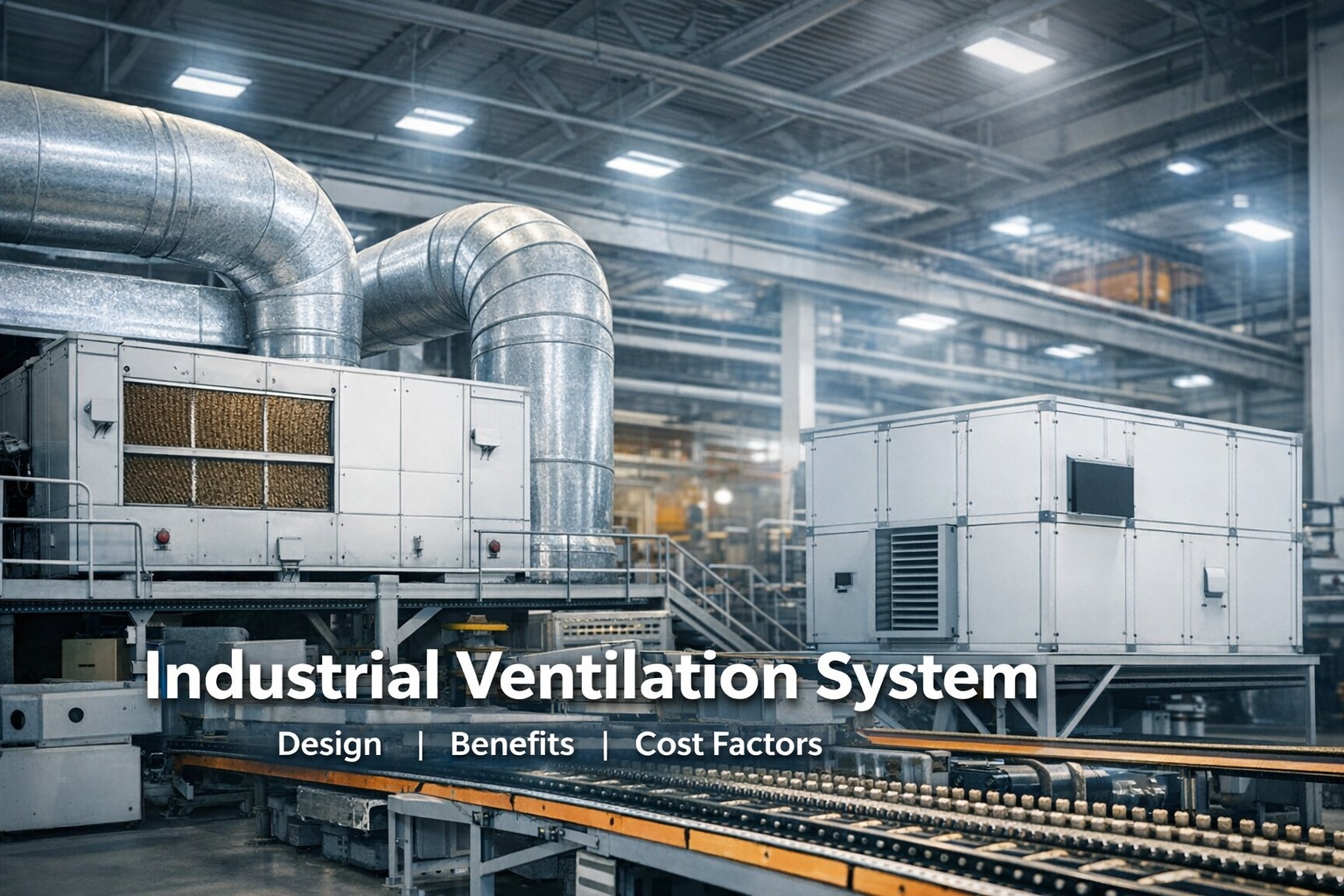
In industrial environments, maintaining proper air quality and temperature is not just about comfort—it is a necessity for safety, productivity, and equipment performance. With rising temperatures, dust levels, and air pollution, industries today rely heavily on advanced industrial ventilation systems to create a controlled and efficient working environment.
An effective air ventilation and cooling system ensures continuous airflow, removes contaminants, and regulates indoor temperature. Whether it is a manufacturing plant, warehouse, or processing unit, the right ventilation system can significantly impact operational efficiency and worker well-being.
This blog explores the design, benefits, and cost factors of industrial ventilation systems, along with modern solutions like Double Stage Air Washer Units and Double Skin Fresh Air Units.
What is an Industrial Ventilation System?
An industrial ventilation system is designed to circulate fresh air within a facility while removing heat, dust, fumes, and pollutants. Unlike basic ventilation, these systems are engineered to handle large spaces and harsh working conditions.
The primary goal is to maintain air quality by controlling airborne contaminants and ensuring proper airflow. These systems can be natural, mechanical, or a combination of both, depending on the requirements of the facility.
In industries where machines generate heat and pollutants, a well-designed ventilation system becomes essential for maintaining a safe and productive environment.
Design of Industrial Ventilation Systems
Designing an industrial ventilation system requires a strategic approach. It is not just about installing fans or ducts—it involves understanding the nature of operations, heat load, and airflow requirements.
The first step in the design process is analyzing the workspace. Factors such as floor area, ceiling height, number of workers, and type of machinery play a crucial role. Based on this, engineers calculate the required air changes per hour (ACH) to maintain proper ventilation.
Airflow distribution is another key aspect. The system must ensure that fresh air reaches every corner of the facility without creating dead zones. Proper placement of air inlets and outlets helps maintain balanced airflow.
Modern systems also focus on energy efficiency. Advanced technologies are used to minimize power consumption while delivering optimal performance. Insulated ducts, efficient motors, and smart controls are often integrated into the design.
Additionally, noise control and maintenance accessibility are considered during the design phase to ensure long-term usability.
Advanced Systems: Double-Stage Air Washer Unit & Double-Skin Fresh Air Unit
Modern industrial ventilation has evolved with the introduction of specialized systems that enhance cooling and air quality.
A double-stage air washer unit is designed to cool and clean air using a two-stage filtration and washing process. In the first stage, air passes through filters to remove dust and large particles. In the second stage, it is washed with water sprays, reducing temperature and removing finer contaminants. This system is highly effective in hot and dusty environments.
On the other hand, a double-skin fresh air unit is built with a double-layered insulated structure that improves thermal efficiency and prevents energy loss. It ensures that fresh air is conditioned before entering the workspace, making it ideal for industries requiring controlled environments.
These advanced systems are widely used in industries where both cooling and air purity are critical.
Benefits of Industrial Ventilation Systems
A well-designed industrial ventilation system offers multiple advantages that go beyond basic airflow.
One of the most important benefits is improved air quality. By removing dust, fumes, and harmful gases, the system creates a healthier environment for workers. This directly reduces health risks and improves overall productivity.
Temperature control is another major advantage. Industrial processes often generate excessive heat, which can affect both workers and machinery. An efficient air ventilation and cooling system helps maintain optimal temperature levels.
Proper ventilation also enhances equipment performance. Machines operate more efficiently in controlled environments, reducing the chances of overheating and breakdowns.
Energy efficiency is another key benefit. Modern systems are designed to deliver maximum output with minimal energy consumption, helping industries reduce operational costs.
Additionally, good ventilation helps in compliance with safety and environmental regulations, which is essential for smooth operations.
Cost Factors of Industrial Ventilation Systems
The cost of installing an industrial ventilation system depends on several factors, and understanding these can help in better planning and budgeting.
One of the primary factors is the size of the facility. Larger spaces require more powerful systems, increasing the overall cost. The type of industry also plays a role, as different environments have different ventilation requirements.
The choice of equipment significantly impacts the cost. Advanced systems like Double Stage Air Washer Units or Double Skin Fresh Air Units may have a higher initial investment but offer better performance and long-term savings.
Installation complexity is another important factor. Facilities with complex layouts may require customized ducting and design, which can increase costs.
Operational and maintenance costs should also be considered. Energy-efficient systems may have a higher upfront cost but reduce electricity expenses over time.
Finally, the quality of materials and components used in the system affects both cost and durability. Investing in high-quality systems ensures long-term reliability and fewer maintenance issues.
Why Choosing the Right Ventilation System Matters
Selecting the right industrial ventilation system is not just about meeting current needs—it is about future-proofing your facility. A poorly designed system can lead to uneven airflow, high energy consumption, and frequent maintenance issues.
On the other hand, a well-planned system ensures consistent performance, better working conditions, and long-term savings. It also supports sustainability goals by reducing energy usage and environmental impact.
Industries today are moving towards smarter and more efficient solutions that combine performance with cost-effectiveness.
Frequently Asked Questions (FAQ)
1. What is industrial ventilation used for?
Industrial ventilation is used to remove heat, dust, fumes, and pollutants while supplying fresh air to maintain a safe and comfortable working environment.
2. What is an air ventilation and cooling system?
It is a system designed to regulate airflow and temperature simultaneously, ensuring proper cooling and ventilation in industrial spaces.
3. What is a double-stage air washer unit?
It is a system that cools and cleans air using a two-stage process involving filtration and water washing.
4. What is a Double Skin Fresh Air Unit?
It is an insulated air handling system that conditions fresh air before supplying it indoors, improving efficiency and performance.
5. How much does an industrial ventilation system cost?
The cost depends on factors like facility size, system type, design complexity, and equipment used.
6. How do I choose the right system?
You should consider your industry requirements, space size, airflow needs, and energy efficiency before selecting a system.
Conclusion
Industrial ventilation systems have become a critical part of modern industrial infrastructure, ensuring clean air, controlled temperature, and improved productivity. From basic airflow management to advanced solutions like Double Stage Air Washer Units and Double Skin Fresh Air Units, the right system can transform working conditions significantly.
For industries looking for reliable and efficient solutions, Airtree offers advanced ventilation systems designed to meet diverse industrial needs. With a focus on performance and energy efficiency, Airtree helps create environments that are both safe and productive.
Choosing the right system is an investment in long-term operational success, and with trusted solutions like Airtree, businesses can ensure consistent air quality and cooling performance. As industrial demands continue to grow, Airtree stands as a dependable partner in delivering smart and effective ventilation solutions.
Stay ahead with more industry insights
Join our newsletter to receive the latest HVAC technologies and ventilation solutions directly in your inbox.