How to Choose the Right HVAC System for Your Building
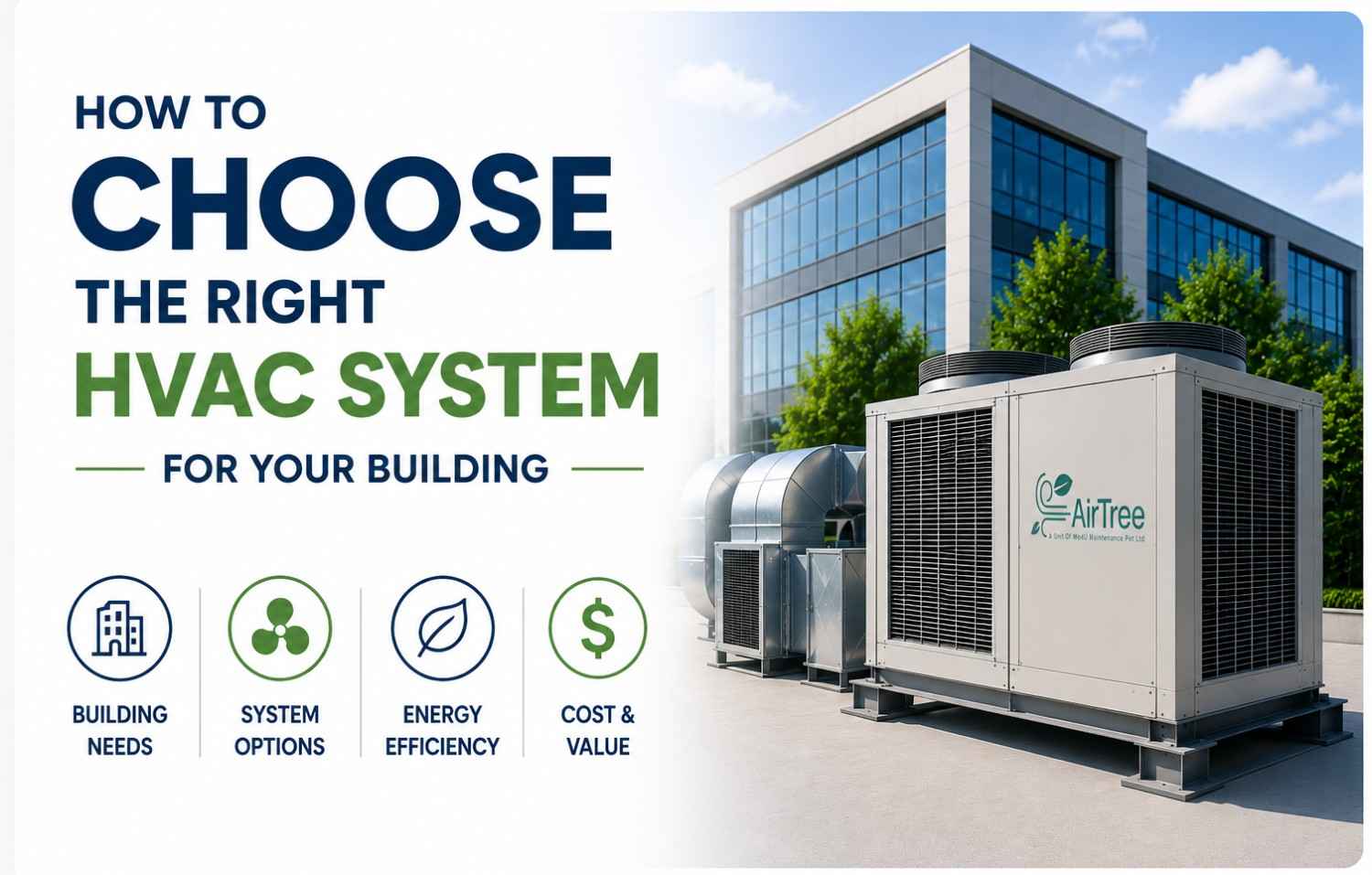
Selecting the right HVAC system for a building is one of the most important decisions property owners, architects, and facility managers can make. An HVAC system does much more than regulate temperature—it directly impacts occupant comfort, energy efficiency, indoor air quality, operational costs, and the overall performance of a building.
Whether you are constructing a new commercial property, upgrading an existing office space, managing an industrial facility, or planning a residential complex, choosing the correct HVAC solution requires careful consideration. A poorly selected system can lead to higher energy bills, uneven temperatures, frequent maintenance issues, and reduced equipment lifespan.
With numerous HVAC technologies available today, understanding your building's specific requirements is essential before making an investment. This guide will help you understand the key factors to consider when choosing the right HVAC system for your building.
Why Choosing the Right HVAC System Matters
An HVAC system is a long-term investment that significantly affects the building's functionality and operating expenses.
The right HVAC system offers several advantages:
- Improved indoor comfort throughout the year
- Better energy efficiency and lower electricity costs
- Enhanced indoor air quality
- Reduced maintenance requirements
- Longer equipment lifespan
- Increased productivity for occupants
- Sustainable environmental performance
Choosing the wrong system, on the other hand, can result in constant repairs, inefficient performance, and unnecessary expenses.
1. Understand Your Building Requirements
Before exploring HVAC options, start by evaluating your building's unique requirements.
Building Size
The size of your building is one of the most critical factors. HVAC systems are designed to handle specific heating and cooling loads.
A system that is too small will struggle to maintain comfortable temperatures, while an oversized system will cycle on and off frequently, wasting energy and increasing wear and tear.
Consider:
- Total square footage
- Number of floors
- Ceiling heights
- Open or segmented floor plans
- Future expansion possibilities
Conducting a professional load calculation ensures accurate sizing.
Building Usage
Different buildings have different HVAC demands.
For example:
- Offices require consistent temperature control during working hours.
- Hospitals require precise temperature and air filtration systems.
- Hotels need individual room temperature control.
- Warehouses may prioritize ventilation over cooling.
- Manufacturing facilities may generate significant internal heat.
Understanding how occupants use the space helps determine the ideal HVAC configuration.
2. Evaluate Your Climate Conditions
The local climate has a direct impact on HVAC system selection.
Buildings located in hot and humid regions require systems capable of controlling both temperature and humidity levels. In colder regions, heating efficiency becomes a higher priority.
Climate considerations include:
- Average annual temperature
- Seasonal changes
- Humidity levels
- Rainfall patterns
- Air quality conditions
Selecting equipment specifically designed for your climate zone improves efficiency and comfort.
3. Consider Energy Efficiency Ratings
Energy efficiency should be a top priority when investing in an HVAC system.
Efficient systems reduce electricity consumption and operating costs over time.
Look for efficiency indicators such as:
SEER (Seasonal Energy Efficiency Ratio)
Measures cooling efficiency.
Higher SEER ratings indicate better performance and lower energy consumption.
EER (Energy Efficiency Ratio)
Measures efficiency under specific operating conditions.
COP (Coefficient of Performance)
Evaluates heating efficiency.
Energy Star Certifications
Products with Energy Star certifications meet high energy-saving standards.
Although energy-efficient systems may have higher upfront costs, they often provide significant long-term savings.
4. Determine Indoor Air Quality Requirements
Indoor air quality has become increasingly important in modern buildings.
Poor indoor air quality can negatively impact health, productivity, and occupant satisfaction.
A quality HVAC system should support:
Proper Ventilation
Fresh outdoor air should circulate throughout the building to reduce indoor pollutants.
Air Filtration
High-quality filters remove:
- Dust
- Allergens
- Pollutants
- Bacteria
- Airborne particles
Humidity Control
Balanced humidity levels prevent:
- Mold growth
- Excess dryness
- Uncomfortable indoor conditions
Air Purification
Advanced HVAC systems may include UV purification technologies and air sanitization features.
Prioritizing indoor air quality creates healthier environments for occupants.
5. Understand Different Types of HVAC Systems
There are several HVAC systems available, each suitable for different applications.
Split HVAC Systems
These systems separate indoor and outdoor units.
Best for:
- Offices
- Homes
- Small commercial spaces
Advantages:
- Cost-effective
- Energy-efficient
- Easy maintenance
Packaged HVAC Systems
All components are housed in a single unit.
Best for:
- Buildings with limited indoor space
- Small commercial buildings
Advantages:
- Compact design
- Easier installation
VRF (Variable Refrigerant Flow) Systems
VRF systems allow different areas to be heated or cooled independently.
Best for:
- Hotels
- Large office buildings
- Educational institutions
Advantages:
- Excellent energy efficiency
- Flexible zoning
- Quiet operation
Chiller Systems
Chillers are commonly used in large commercial and industrial facilities.
Best for:
- Hospitals
- Airports
- Shopping malls
- Manufacturing facilities
Advantages:
- Powerful cooling capacity
- Long operational life
Ductless Mini-Split Systems
These systems eliminate the need for extensive ductwork.
Best for:
- Renovation projects
- Individual rooms
- Small spaces
Advantages:
- Flexible installation
- High efficiency
Understanding each option helps narrow down the best choice for your building.
6. Consider Building Zoning Requirements
Different areas within a building often have varying temperature needs.
For example:
- Conference rooms may need extra cooling.
- Server rooms require precise temperature control.
- Storage areas may need minimal conditioning.
Zoning systems allow independent temperature management for separate spaces.
Benefits include:
- Increased comfort
- Reduced energy waste
- Personalized temperature settings
- Better operational control
Zoning significantly improves efficiency in larger buildings.
7. Assess Installation Space Availability
Available space influences HVAC selection.
Evaluate:
Indoor Space
Consider areas for:
- Air handling units
- Ductwork
- Mechanical rooms
Outdoor Space
Assess:
- Rooftop availability
- Ground-level equipment placement
- Accessibility for maintenance
Space constraints may limit certain system options.
Planning installation requirements early prevents future complications.
8. Evaluate Long-Term Maintenance Needs
Maintenance directly affects HVAC performance and lifespan.
Choose systems that offer:
- Easy access for servicing
- Readily available spare parts
- Simple filter replacement
- Reliable manufacturer support
Ask about:
- Maintenance frequency
- Service costs
- Warranty coverage
- Technician availability
Regular maintenance ensures optimal system performance for years.
9. Consider Smart Building Integration
Modern buildings increasingly rely on intelligent technologies.
Smart HVAC systems can integrate with building management systems (BMS).
Features may include:
- Remote monitoring
- Automated scheduling
- Occupancy-based temperature control
- Energy consumption tracking
- Predictive maintenance alerts
Smart integration improves efficiency while reducing operating costs.
10. Calculate Total Cost of Ownership
Many buyers focus only on initial purchase costs.
However, evaluating the total cost of ownership provides a clearer financial picture.
Consider:
Initial Costs
- Equipment purchase
- Installation expenses
- Ductwork requirements
Operating Costs
- Monthly energy consumption
- Utility bills
Maintenance Costs
- Annual servicing
- Replacement parts
Repair Costs
- Unexpected breakdown expenses
Equipment Lifespan
Higher-quality systems may cost more initially but often deliver better value over time.
Making decisions based solely on upfront price can become expensive in the long run.
11. Prioritize Sustainability
Sustainable HVAC systems help reduce environmental impact.
Look for systems that:
- Consume less energy
- Use eco-friendly refrigerants
- Support green building certifications
- Reduce carbon emissions
Sustainable solutions not only benefit the environment but also improve long-term operational efficiency.
Many organizations are now prioritizing environmentally responsible HVAC technologies as part of their sustainability goals.
12. Work With Experienced HVAC Professionals
Choosing an HVAC system should never be a guesswork process.
Experienced HVAC professionals can help with:
- Load calculations
- Energy analysis
- System recommendations
- Installation planning
- Cost estimation
- Future scalability planning
Professional consultation ensures the selected system matches your building's exact requirements.
An expert-led approach reduces risks and maximizes return on investment.
Common Mistakes to Avoid When Choosing an HVAC System
Avoid these common errors:
Choosing Based Only on Price
Cheaper systems may result in higher operating costs.
Ignoring Building Expansion Plans
Future growth should be considered during system selection.
Overlooking Energy Efficiency
Lower efficiency increases long-term expenses.
Improper Sizing
Incorrect sizing negatively impacts performance.
Ignoring Indoor Air Quality
Comfort and health should never be compromised.
Delaying Maintenance Planning
Maintenance should be part of the decision-making process from the beginning.
Avoiding these mistakes can save significant time and money.
Conclusion
Choosing the right HVAC system for your building is a strategic investment that affects comfort, efficiency, sustainability, and long-term operating costs. Every building has unique requirements, and selecting the right solution requires careful evaluation of size, occupancy, climate, energy efficiency, indoor air quality, and future growth plans.
Rather than focusing only on upfront costs, decision-makers should prioritize long-term performance, reliability, and operational savings. Working with experienced HVAC experts can help simplify the process and ensure the system delivers optimal results for years to come.
For businesses looking for reliable, efficient, and advanced HVAC solutions, Airtree HVAC offers professional expertise and innovative systems designed to meet diverse building requirements. Whether it's a commercial, industrial, or specialized facility, Airtree HVAC can help create comfortable, energy-efficient, and sustainable environments tailored to your needs.
Stay ahead with more industry insights
Join our newsletter to receive the latest HVAC technologies and ventilation solutions directly in your inbox.