Top Ways to Reduce Your HVAC Energy Consumption
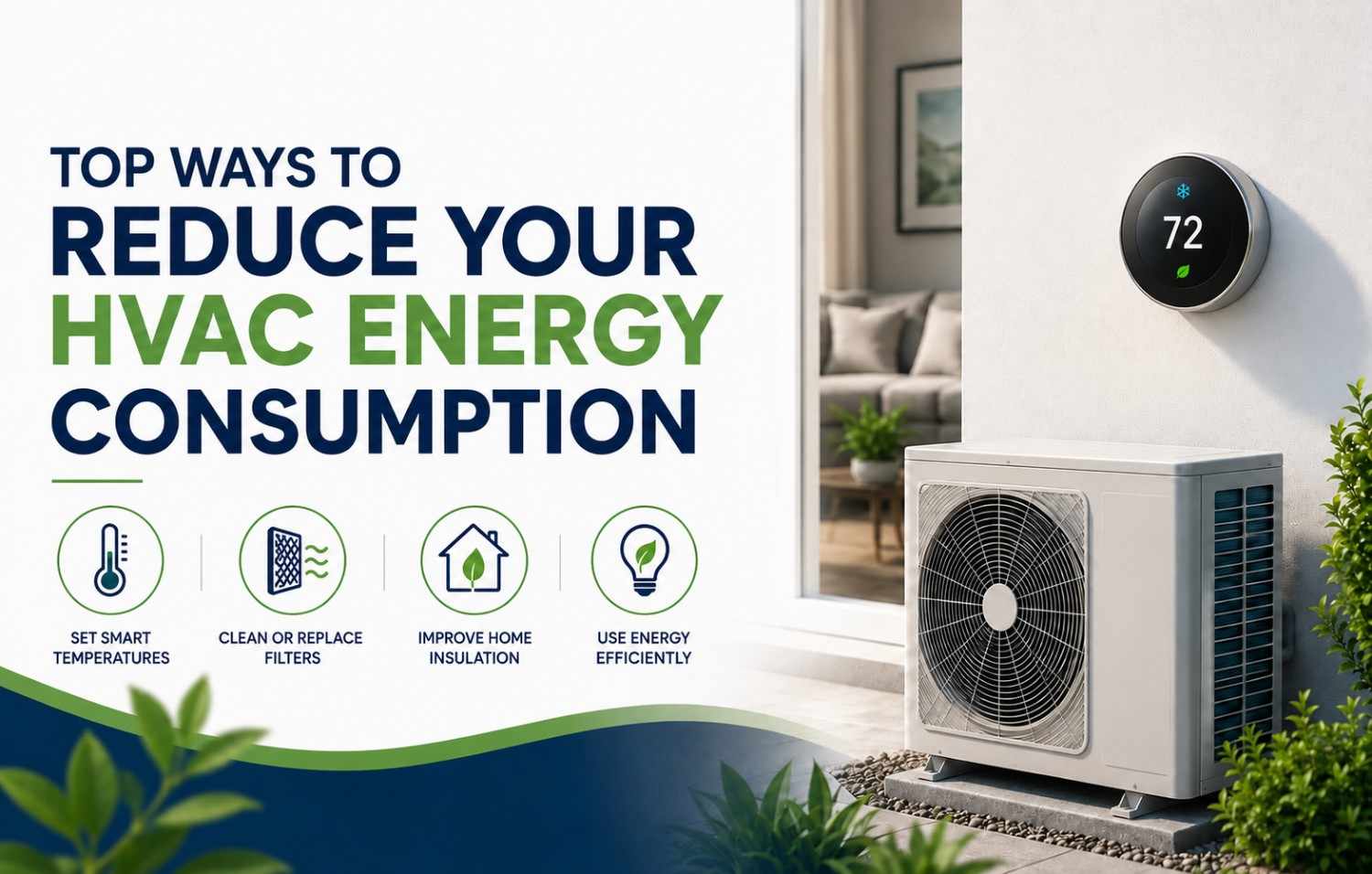
Heating, Ventilation, and Air Conditioning (HVAC) systems are essential for maintaining a comfortable indoor environment in residential, commercial, and industrial buildings. They regulate temperature, improve air quality, and create healthy spaces for occupants throughout the year. However, HVAC systems are also among the largest consumers of energy in any building.
In many facilities, HVAC systems account for nearly 40% to 60% of total energy consumption. As energy prices continue to rise, reducing HVAC energy usage has become a top priority for building owners and facility managers.
The good news is that lowering HVAC energy consumption does not necessarily mean compromising comfort. By adopting smart strategies, maintaining equipment properly, and upgrading to energy-efficient technologies, buildings can significantly reduce operational costs while maintaining excellent indoor conditions.
In this guide, we will explore the top ways to reduce your HVAC energy consumption and improve overall system performance.
Why Reducing HVAC Energy Consumption Is Important
Reducing HVAC energy usage offers multiple benefits beyond lowering electricity bills.
Some of the major advantages include:
- Reduced monthly operating costs
- Improved system efficiency
- Extended equipment lifespan
- Lower carbon emissions
- Better indoor comfort
- Enhanced occupant productivity
- Reduced maintenance expenses
- Increased building sustainability
Even small improvements can create substantial long-term savings.
1. Schedule Regular HVAC Maintenance
One of the easiest and most effective ways to reduce energy consumption is through regular maintenance.
Over time, HVAC components accumulate dust, dirt, and debris that force the system to work harder.
Routine maintenance helps ensure that all components operate efficiently.
Maintenance tasks include:
- Cleaning coils
- Inspecting electrical connections
- Lubricating moving parts
- Checking refrigerant levels
- Cleaning condensate drains
- Inspecting motors and belts
A well-maintained system can consume significantly less energy than a neglected one.
Experts recommend professional servicing at least twice a year.
2. Replace Air Filters Regularly
Air filters play a vital role in maintaining airflow and indoor air quality.
Dirty filters restrict airflow, forcing the HVAC system to use more energy to circulate air.
Clogged filters can cause:
- Reduced efficiency
- Poor indoor air quality
- Increased energy bills
- System overheating
- Premature equipment failure
Depending on building usage, filters should be inspected monthly and replaced every one to three months.
High-traffic buildings may require more frequent replacements.
3. Upgrade to Energy-Efficient HVAC Equipment
Older HVAC systems consume significantly more energy than modern equipment.
If your system is over 10 to 15 years old, upgrading may provide substantial savings.
Modern systems offer:
- Advanced compressor technology
- Variable speed motors
- Smart controls
- Better temperature management
- Improved energy ratings
When purchasing new equipment, look for:
- High SEER ratings
- Energy Star certifications
- Advanced energy-saving features
Although initial investment costs may be higher, long-term savings often outweigh the expense.
4. Install Smart Thermostats
Smart thermostats help optimize energy usage automatically.
Unlike traditional thermostats, they adjust temperatures based on occupancy patterns and user preferences.
Benefits include:
- Automated scheduling
- Remote access via mobile devices
- Energy consumption tracking
- Learning user behavior
- Reduced unnecessary cooling or heating
For example, temperatures can automatically adjust when buildings are unoccupied, reducing wasted energy.
Smart technology provides better control while maintaining comfort.
5. Optimize Temperature Settings
Setting temperatures too low during summer or too high during winter increases energy consumption unnecessarily.
Even small adjustments can produce noticeable savings.
Recommended settings include:
During Summer
Keep indoor temperatures around 24°C to 26°C.
During Winter
Maintain temperatures around 20°C to 22°C.
Avoid drastic temperature changes because they force the system to work harder.
Consistent settings improve efficiency and reduce strain on equipment.
6. Improve Building Insulation
Poor insulation allows conditioned air to escape.
When heated or cooled air leaks out, HVAC systems must work continuously to compensate.
Areas to inspect include:
- Walls
- Roofs
- Windows
- Doors
- Ceilings
Proper insulation helps maintain stable indoor temperatures.
Benefits include:
- Reduced energy consumption
- Improved occupant comfort
- Lower utility bills
- Less workload on HVAC systems
Investing in insulation creates long-term energy savings.
7. Seal Air Leaks
Air leaks are a major source of energy waste.
Gaps around doors, windows, and duct systems allow conditioned air to escape.
Common leakage areas include:
- Window frames
- Door edges
- Utility openings
- Pipe penetrations
- Duct joints
Sealing leaks helps maintain indoor temperatures and improves HVAC efficiency.
Simple solutions such as weather stripping and sealants can make a significant difference.
8. Utilize Zoning Systems
Not every room in a building requires the same temperature settings.
Zoning systems divide buildings into separate temperature-controlled areas.
Each zone operates independently.
Benefits include:
- Personalized comfort
- Reduced energy waste
- Lower operating costs
- Better temperature control
For example, unoccupied meeting rooms do not need constant cooling.
Zoning prevents unnecessary energy consumption.
9. Upgrade to Variable Speed Technology
Traditional HVAC systems operate at full capacity whenever they turn on.
Variable speed systems adjust output according to demand.
Advantages include:
- Lower energy usage
- More consistent temperatures
- Reduced wear and tear
- Quieter operation
- Improved humidity control
Instead of repeatedly turning on and off, the system runs efficiently at optimal levels.
This reduces energy consumption substantially.
10. Improve Ductwork Efficiency
Leaky or damaged ducts can waste a considerable amount of energy.
Poor duct systems cause conditioned air to escape before reaching occupied spaces.
Inspect ductwork for:
- Cracks
- Loose connections
- Poor insulation
- Dust accumulation
Properly sealed and insulated ducts improve airflow and system performance.
Professional inspections are recommended periodically.
11. Reduce Heat Gain Inside the Building
Internal heat sources increase cooling demands.
Heat can come from:
- Lighting systems
- Electronic equipment
- Computers
- Machinery
- Large appliances
Reducing internal heat helps lower HVAC workload.
Strategies include:
- Using LED lighting
- Turning off unused equipment
- Installing energy-efficient appliances
- Managing equipment operating hours
Small changes can significantly reduce cooling requirements.
12. Utilize Natural Ventilation When Possible
Weather conditions may allow buildings to rely on natural airflow instead of mechanical cooling.
Natural ventilation can be used during:
- Early mornings
- Evenings
- Mild weather conditions
Opening windows strategically allows fresh air circulation.
This reduces HVAC operating hours and saves energy.
However, natural ventilation should be managed carefully in humid environments.
13. Monitor Energy Usage Continuously
Tracking energy consumption helps identify inefficiencies.
Building owners can use:
- Energy management systems
- Smart meters
- Building automation systems
- HVAC monitoring software
Monitoring allows operators to:
- Detect unusual energy spikes
- Identify equipment problems early
- Optimize operating schedules
- Improve system performance
Data-driven decisions lead to significant energy savings.
14. Use Preventive Rather Than Reactive Maintenance
Many organizations only repair HVAC systems after problems occur.
Reactive maintenance often results in:
- Higher repair costs
- Increased downtime
- Greater energy waste
Preventive maintenance focuses on identifying issues before they become major problems.
Benefits include:
- Improved efficiency
- Reduced breakdowns
- Lower operating costs
- Longer equipment lifespan
Preventive maintenance is more cost-effective in the long run.
15. Integrate Building Automation Systems
Building automation systems (BAS) intelligently manage HVAC operations.
These systems control:
- Temperature
- Ventilation
- Lighting
- Occupancy schedules
Automation ensures HVAC systems operate only when necessary.
Benefits include:
- Reduced energy waste
- Better occupant comfort
- Real-time monitoring
- Improved efficiency
Modern buildings increasingly rely on automation to optimize performance.
Common Mistakes That Increase HVAC Energy Consumption
Avoid these common errors:
Ignoring Maintenance
Neglected systems become inefficient quickly.
Blocking Air Vents
Furniture and equipment should never obstruct airflow.
Using Outdated Equipment
Older systems consume excessive energy.
Setting Extreme Temperatures
Overcooling and overheating increase costs.
Ignoring Air Leaks
Small leaks can lead to major energy losses.
Running HVAC Continuously
Systems should operate according to occupancy needs.
Avoiding these mistakes helps maximize efficiency.
The Long-Term Benefits of Energy-Efficient HVAC Practices
Implementing energy-saving strategies provides lasting advantages.
These include:
Financial Savings
Lower electricity bills reduce operational expenses.
Improved Equipment Reliability
Reduced strain extends equipment lifespan.
Better Occupant Comfort
Consistent temperatures improve user satisfaction.
Environmental Sustainability
Lower energy consumption reduces carbon emissions.
Increased Property Value
Efficient buildings are more attractive to buyers and tenants.
The return on investment from energy-saving measures often continues for many years.
Conclusion
Reducing HVAC energy consumption is not about sacrificing comfort; it is about operating smarter. A combination of regular maintenance, energy-efficient equipment, smart technologies, proper insulation, and optimized operating practices can dramatically lower energy costs while improving building performance.
Building owners who invest in energy-efficient HVAC strategies not only save money but also create healthier, more sustainable environments for occupants.
For businesses seeking reliable, efficient, and future-ready HVAC solutions, Airtree HVAC provides advanced systems and expert guidance tailored to modern building requirements. From energy optimization to customized HVAC solutions, Airtree HVAC helps organizations create comfortable, cost-effective, and sustainable indoor environments for the long term.
Stay ahead with more industry insights
Join our newsletter to receive the latest HVAC technologies and ventilation solutions directly in your inbox.