Common Failures in Tube Axial Fans and How to Fix Them
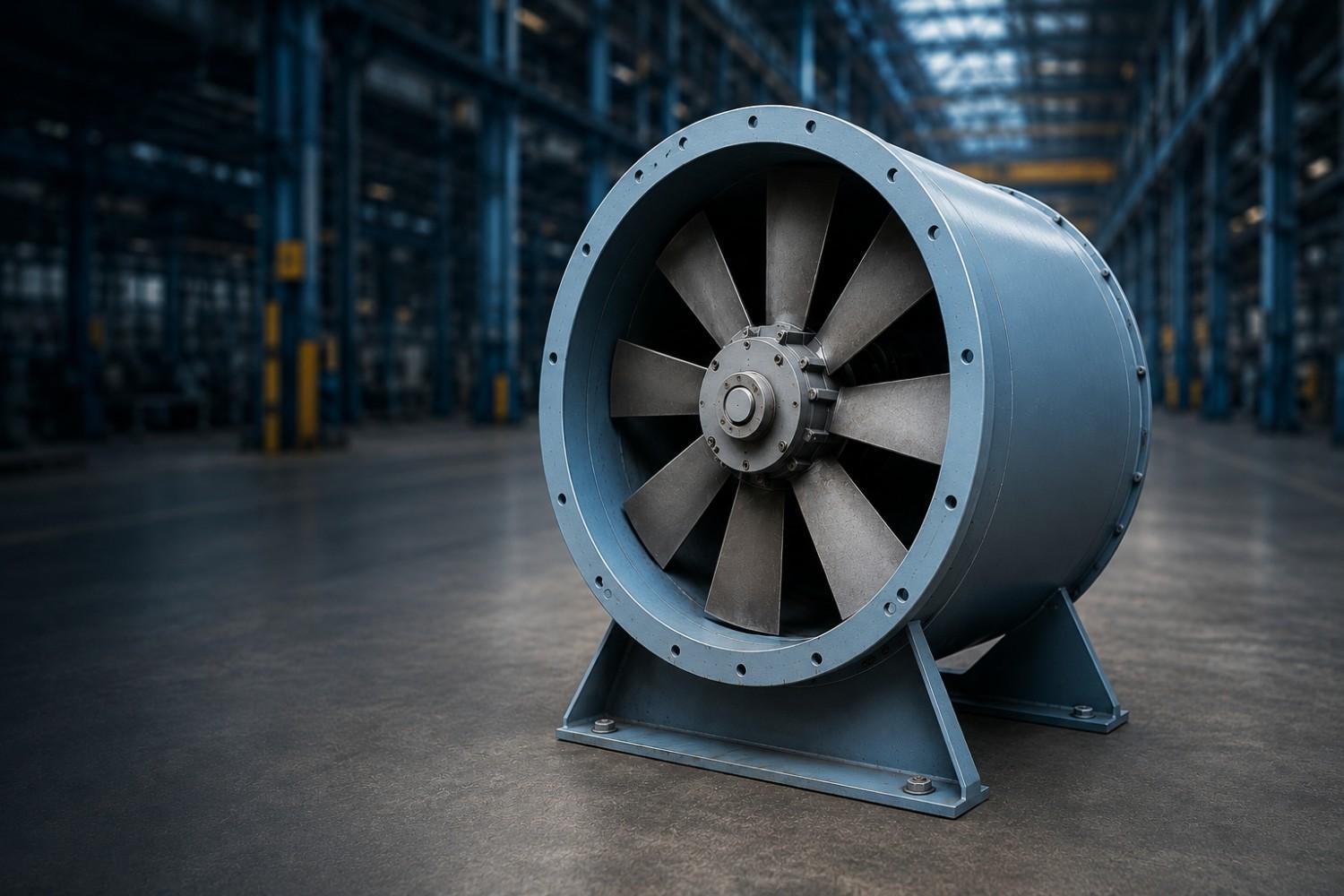
In industrial ventilation systems, Tube Axial Fans play a critical role in maintaining airflow, controlling temperature, and ensuring a safe working environment. These fans are widely used in factories, warehouses, power plants, parking areas, and commercial facilities because of their ability to move large volumes of air efficiently.
However, like any mechanical equipment, Tube Axial Flow Fans can experience performance issues over time. Ignoring these problems can lead to reduced airflow, increased energy consumption, unexpected downtime, and costly repairs. Understanding the common failures associated with these fans and knowing how to address them can significantly improve their lifespan and efficiency.
This guide explores the most frequent issues found in Tube Axial Fans, their causes, and practical solutions to keep them operating at peak performance.
What Are Tube Axial Fans?
Tube Axial Fans are ventilation devices designed to move air parallel to the fan shaft. The fan blades rotate around a central hub, creating airflow in a straight line through a cylindrical casing or tube.
Because of their simple design and high airflow capacity, Tube Axial Fans are commonly used for ventilation, exhaust applications, cooling systems, and industrial air circulation. Their compact structure makes them suitable for installations where space is limited but high airflow is required.
The effectiveness of Tube Axial Flow Fans depends on proper installation, regular maintenance, and timely troubleshooting of potential issues.
Why Tube Axial Fan Failures Occur
Most fan failures do not happen suddenly. In many cases, they develop gradually due to wear and tear, improper operation, environmental conditions, or lack of maintenance.
Factors such as dust accumulation, motor overload, misalignment, excessive vibration, and electrical faults can affect fan performance. Early detection and corrective action can prevent small issues from becoming major failures.
Understanding the root causes of these problems is the first step toward maintaining a reliable ventilation system.
Reduced Airflow Performance
One of the most common complaints associated with Tube Axial Fans is reduced airflow. When a fan fails to deliver the required volume of air, the overall ventilation system becomes less effective.
This issue is often caused by clogged air passages, dirty fan blades, blocked ducts, or incorrect fan speed settings. Over time, dust and debris can accumulate on the blades, reducing aerodynamic efficiency and restricting airflow.
To resolve this issue, inspect the fan blades and ductwork for dirt buildup. Cleaning the blades and removing obstructions from airflow paths can restore performance. It is also important to verify that the fan is operating at its designed speed and that no mechanical components are restricting movement.
Regular inspections can help prevent airflow reduction before it affects system performance.
Excessive Vibration
Excessive vibration is another common problem that should never be ignored. Vibration not only affects fan performance but can also damage bearings, motors, mounting structures, and surrounding equipment.
Several factors may contribute to vibration, including blade imbalance, loose mounting bolts, shaft misalignment, or damaged bearings. In some cases, foreign objects entering the fan assembly can create an imbalance that causes vibration during operation.
The solution begins with identifying the source of the imbalance. Inspect the blades for dirt accumulation or physical damage. Tighten loose components and verify proper alignment between the motor and fan assembly.
Routine vibration monitoring can help detect developing issues before they result in equipment failure.
Unusual Noise During Operation
A properly functioning Tube Axial Fan should operate smoothly with minimal noise. If unusual sounds such as grinding, rattling, squealing, or knocking occur, they often indicate mechanical problems.
Grinding noises may suggest bearing wear, while rattling sounds can result from loose fasteners or damaged components. Squealing noises frequently point to lubrication issues or bearing deterioration.
When abnormal noise is detected, the fan should be inspected immediately. Ignoring unusual sounds can lead to severe damage and unplanned downtime.
Replacing worn bearings, tightening loose hardware, and ensuring proper lubrication can often eliminate noise-related issues and restore smooth operation.
Motor Overheating
The motor is one of the most important components of any Tube Axial Fan. When the motor overheats, overall system reliability is compromised.
Motor overheating may occur due to excessive load, poor ventilation around the motor, electrical problems, or prolonged operation under unfavorable conditions. Dust accumulation on motor surfaces can also reduce cooling efficiency.
To address overheating, check motor current levels and compare them with manufacturer specifications. Inspect ventilation openings for blockages and ensure the motor receives adequate airflow.
Regular cleaning and electrical inspections can significantly reduce the risk of overheating and extend motor life.
Bearing Failure
Bearings allow the fan shaft to rotate smoothly and efficiently. Because they are continuously subjected to mechanical loads, bearings are among the most commonly replaced fan components.
Bearing failures are usually caused by inadequate lubrication, contamination, excessive vibration, or misalignment. When bearings begin to fail, operators may notice increased noise, vibration, or temperature.
Preventive maintenance is the best defense against bearing problems. Following the recommended lubrication schedule and monitoring bearing condition can help identify wear before complete failure occurs.
Replacing damaged bearings promptly prevents further damage to shafts and other rotating components.
Electrical Problems and Power Issues
Electrical faults can cause Tube Axial Flow Fans to operate inconsistently or stop functioning entirely. Common electrical issues include voltage fluctuations, loose connections, damaged wiring, and motor control failures.
These problems may result in unexpected shutdowns, reduced efficiency, or motor damage. Electrical inspections should be conducted regularly to identify signs of overheating, corrosion, or loose terminals.
Using proper circuit protection devices and maintaining stable power supply conditions can help prevent electrical failures.
When troubleshooting electrical issues, safety should always be the top priority, and qualified personnel should perform inspections whenever possible.
Blade Damage and Corrosion
Fan blades are exposed to continuous airflow and environmental conditions. In industrial environments, exposure to moisture, chemicals, and airborne particles can lead to corrosion or physical damage.
Damaged blades can reduce efficiency, create imbalance, and increase vibration levels. Even small cracks may worsen over time and eventually cause blade failure.
Routine visual inspections help identify blade damage early. Depending on the severity of the issue, blades may require repair or replacement.
Applying protective coatings and selecting corrosion-resistant materials can significantly extend blade lifespan.
Improper Installation Issues
Many Tube Axial Fan problems originate during installation rather than operation. Incorrect mounting, poor alignment, inadequate support structures, or improper duct connections can create ongoing performance issues.
An improperly installed fan may experience vibration, reduced airflow, excessive noise, and premature component wear.
Following manufacturer guidelines during installation is essential. Ensuring proper alignment, secure mounting, and adequate clearance around the fan can prevent many operational problems from occurring in the first place.
Professional installation often reduces long-term maintenance requirements and improves overall system reliability.
Preventive Maintenance Best Practices
The most effective way to avoid common Tube Axial Fan failures is through preventive maintenance. Rather than waiting for a breakdown, regular inspections help identify developing problems before they become serious.
Maintenance activities should include cleaning fan blades, checking fasteners, monitoring vibration levels, inspecting electrical connections, and lubricating bearings according to manufacturer recommendations.
Maintaining detailed maintenance records can also help identify recurring issues and optimize servicing schedules.
A proactive maintenance strategy not only improves reliability but also reduces repair costs and extends equipment life.
Frequently Asked Questions (FAQ)
1. What are Tube Axial Fans used for?
Tube Axial Fans are used for industrial ventilation, exhaust systems, cooling applications, and air circulation in factories, warehouses, and commercial facilities.
2. Why is my Tube Axial Fan vibrating excessively?
Excessive vibration is commonly caused by blade imbalance, loose components, shaft misalignment, or bearing wear.
3. How often should Tube Axial Fans be maintained?
Routine inspections should be performed monthly, while detailed maintenance schedules should follow manufacturer recommendations.
4. What causes motor overheating in Tube Axial Flow Fans?
Motor overheating can result from excessive load, poor ventilation, electrical faults, or dust accumulation.
5. Can damaged fan blades affect performance?
Yes. Damaged blades reduce airflow efficiency, increase vibration, and may lead to additional mechanical failures.
6. How can I extend the lifespan of Tube Axial Fans?
Regular maintenance, proper installation, timely repairs, and routine inspections are the most effective ways to maximize fan life.
Conclusion
Tube Axial Fans are essential components of modern industrial ventilation systems, but their performance depends heavily on proper maintenance and timely troubleshooting. Issues such as reduced airflow, excessive vibration, motor overheating, bearing failure, and blade damage can significantly impact efficiency if left unresolved.
By understanding the common failures associated with Tube Axial Flow Fans, facility managers can take proactive measures to prevent downtime and improve operational reliability. Regular inspections and preventive maintenance remain the most effective strategies for ensuring long-term performance.
For industries seeking dependable ventilation solutions, Airtree offers high-quality fan systems designed for durability, efficiency, and consistent airflow. With a strong focus on engineering excellence, Airtree helps businesses maintain optimal ventilation performance across a wide range of industrial applications.
Choosing reliable equipment and following best maintenance practices can maximize the lifespan of your ventilation system, and with trusted solutions from Airtree, organizations can achieve safer, more productive, and energy-efficient operations.
Stay ahead with more industry insights
Join our newsletter to receive the latest HVAC technologies and ventilation solutions directly in your inbox.